
These savory garlic noodles combine umami flavors with a creamy finish for a satisfying meal. They are perfect for busy weeknights when you need a high-flavor dish with minimal effort.
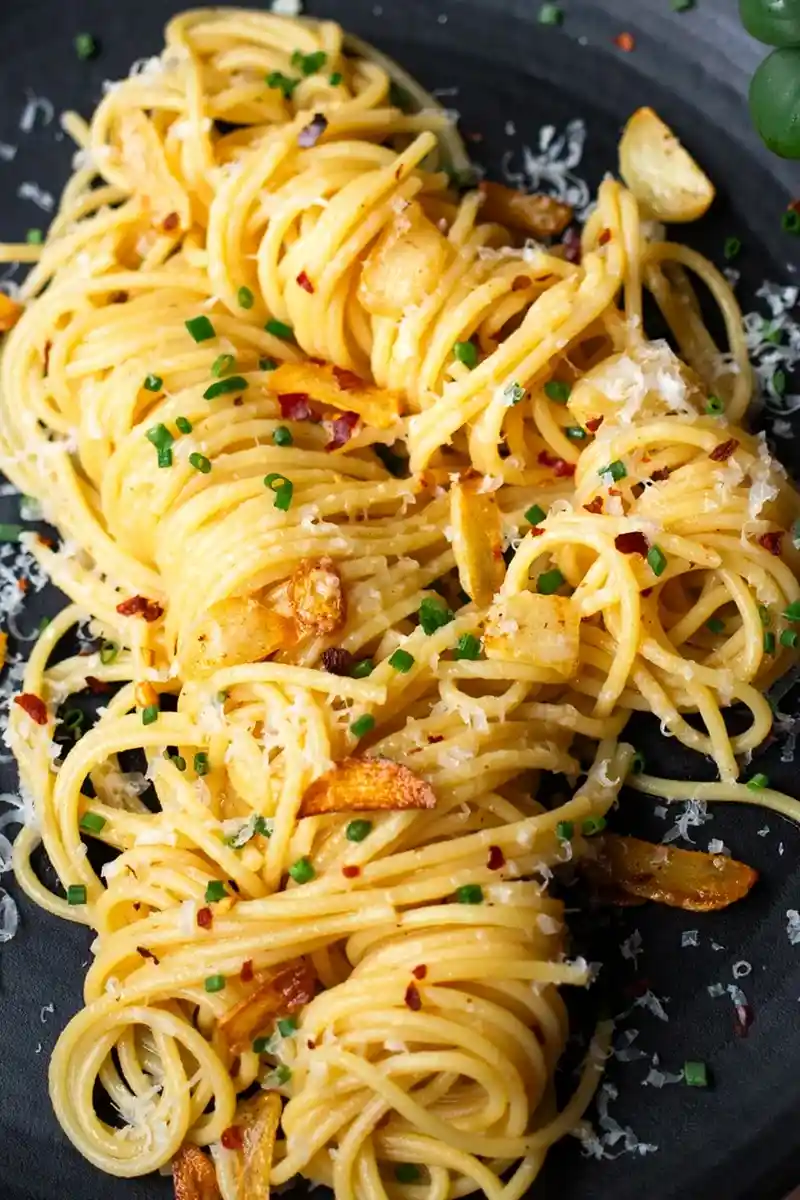
List of ingredients
- 8 ounces of spaghetti – use a standard dried pasta for a chewy texture.
- 1/3 cup of freshly grated parmesan cheese – ensure you use a microbial-rennet variety.
- 8 cloves of minced garlic cloves (approximately 3 tbsp) – fresh cloves provide the best aromatic base.
- 3 tbsp of butter – adds richness and helps emulsify the sauce.
- 2 tbsp vegetarian oyster sauce – provides the essential salty and sweet umami depth.
- 1 tsp of red chili flakes (optional, highly recommend) – adds a subtle heat to balance the butter.
- Salt and pepper – used for seasoning the pasta water and final taste adjustment.
- Extra parmesan cheese – for garnishing the final dish.
- Sesame seeds – adds a nutty crunch to the topping.
- Chives or green onions – provides a fresh, sharp contrast to the garlic.
step-by-step instructions
- Boil Water: Fill a large pot with water and add a generous amount of salt. Bring the water to a rolling boil.
- Cook Pasta: Add the spaghetti to the boiling water and cook according to the package instructions until just tender.
- Sauté Garlic: While the pasta cooks, heat a small amount of oil in a skillet over medium heat. Sauté the minced garlic until it becomes brown and fragrant, ensuring it does not burn.
- Reserve Garlic: Carefully remove a portion of the fried garlic from the skillet and set it aside to use as a garnish later.
- Add Spice: Stir in the red chili flakes to the remaining garlic in the skillet for an optional but recommended kick.
- Create Sauce Base: Add the butter and vegetarian oyster sauce to the skillet over medium heat. Cook for about 2 minutes, then cover the skillet with a lid.
- Save Pasta Water: Before draining the noodles, reserve 1 cup of the starchy pasta cooking water.
- Combine Noodles and Sauce: Drain the pasta and transfer it directly into the skillet with the garlic sauce. Pour in some of the reserved pasta water.
- Emulsify: Toss the noodles thoroughly so they are well-coated. The starch in the pasta water will help the sauce thicken and cling to the noodles.
- Final Seasoning: Taste the noodles and season with salt and pepper. If the dish seems too dry, add more pasta water until it reaches a saucy consistency.
- Incorporate Cheese: Stir in the grated parmesan cheese, keeping a small amount back for the final topping.
- Garnish and Serve: Mix everything one last time. Top the dish with the reserved crispy fried garlic, chopped green onions, and the remaining parmesan cheese.
Alternative Noodle Options
Using Ramen Noodles
Ramen noodles provide a distinct springy texture and a slightly different wheat flavor. If using fresh ramen, boil them for a shorter time than spaghetti to avoid overcooking. Ensure you drain them well before adding them to the garlic butter sauce.
Substituting with Rice Noodles
Rice noodles are a great gluten-free alternative that absorbs flavors quickly. Soak them in hot water according to the package instead of boiling them vigorously. Be gentle when tossing them in the skillet to prevent the noodles from breaking.
Trying Egg Noodles or Linguine
Chinese egg noodles offer a rich flavor and a sturdy bite that pairs well with oyster sauce. Linguine or spaghettini are excellent pasta substitutes if you prefer a thinner strand than standard spaghetti. These options maintain a similar cooking time and sauce adherence.
Gluten-Free Pasta Alternatives
Brown rice or corn-based gluten-free pastas work well for this recipe. Be mindful that gluten-free noodles often release more starch into the water. Adjust the amount of reserved pasta water added to the sauce to avoid making it too gummy.
Sauce Customization and Flavor Tips
The Importance of Fresh Garlic
Freshly minced garlic contains volatile oils that create a pungent, aromatic flavor when sautéed. Garlic powder lacks these oils and will not provide the same depth or the crispy texture needed for the garnish. Always mince fresh cloves immediately before cooking for maximum impact.
Adjusting Heat Levels
For a mild flavor, omit the red chili flakes entirely. To increase the spice, substitute the flakes with a tablespoon of chili oil or add a teaspoon of Sriracha during the sauce-making step. This adds a more complex, fermented heat to the dish.
Using White Pepper for Authenticity
While black pepper is common, white pepper is frequently used in Asian cooking for a sharp, earthy heat. It blends into the sauce visually while providing a distinct flavor profile. Use a pinch of finely ground white pepper for a more traditional taste.
Vegetarian Oyster Sauce Substitutes
If vegetarian oyster sauce is unavailable, you can create a similar flavor profile. Mix dark soy sauce, a pinch of brown sugar, and a drop of mushroom seasoning or fish sauce. Dark soy sauce is specifically useful for achieving the rich, deep mahogany color of the original sauce.
Protein Pairing Suggestions
Adding Grilled Chicken
Sauté diced chicken breast in a separate pan with soy sauce and a hint of ginger. Once cooked through, toss the chicken into the skillet at the same time you add the noodles. This ensures the chicken is well-coated in the garlic butter sauce.
Sautéing Fresh Shrimp
Quickly sear peeled and deveined shrimp in butter and garlic until they turn pink and opaque. Remove them from the pan to prevent overcooking, then add them back in during the final mixing step. Shrimp pairs naturally with the savory notes of the oyster sauce.
Incorporating Crispy Tofu
Press extra-firm tofu to remove excess moisture, cut into cubes, and pan-fry until golden brown on all sides. Add the tofu to the noodles just before serving to maintain the crispy exterior. Tofu absorbs the garlic sauce efficiently, making it a hearty plant-based option.
Using Sliced Beef Strips
Thinly slice flank steak or sirloin against the grain to ensure tenderness. Flash-fry the beef in a very hot skillet with a splash of soy sauce before adding it to the pasta. Beef provides a rich, savory contrast to the sweetness of the sauce.
Vegetable Enhancements for Nutrition
Adding Steamed Broccoli Florets
Steam or blanch small broccoli florets for 2-3 minutes before adding them to the skillet. The florets catch the sauce in their crowns, providing a burst of flavor in every bite. Add them during the final toss to keep them vibrant and crisp.
Wilting Fresh Baby Spinach
Add a handful of fresh baby spinach to the skillet immediately after combining the noodles and sauce. The residual heat from the pasta will wilt the spinach in about 30 seconds. This is an easy way to add iron and color to the meal.
Using Sliced Carrots or Snap Peas
Julienne carrots or slice snap peas thinly to ensure they cook quickly. Sauté them in the skillet after the garlic is brown but before adding the butter. This allows them to soften slightly while retaining a refreshing crunch.
Integrating Shredded Cabbage
Thinly sliced green or Napa cabbage adds a wonderful texture and sweetness. Sauté the cabbage until it just begins to soften before stirring in the butter and oyster sauce. This creates a more voluminous and filling noodle dish.
Expert Cooking Techniques
Mastering the Al Dente Texture
Cook your noodles for one minute less than the package directions. Since the noodles finish cooking in the skillet with the sauce, undercooking them slightly prevents them from becoming mushy. This ensures the pasta retains a firm, chewy center.
The Role of Salting Pasta Water
Salt the boiling water heavily so it tastes like sea water. This is the only opportunity to season the interior of the noodle itself. Properly salted pasta provides a better foundation for the sauce and enhances the overall flavor of the dish.
Preventing Garlic from Burning
Keep the heat at a steady medium and stir the garlic constantly. Garlic turns bitter and acrid if it burns, which can ruin the entire sauce. If the garlic browns too quickly, remove the skillet from the heat for a few seconds to cool the pan.
Creating a Glossy Sauce Emulsion
The combination of butter, starch from the pasta water, and parmesan cheese creates an emulsion. Vigorously tossing the noodles over medium heat helps these ingredients bind together. This results in a glossy, creamy coating rather than a greasy or watery sauce.
Storage and Reheating Advice
Refrigeration Guidelines
Store leftover garlic noodles in an airtight container in the refrigerator for up to two days. Because of the butter and cheese, the sauce will thicken and absorb into the noodles as it cools. Ensure the container is sealed tightly to prevent the noodles from drying out.
Avoiding the Freezer
It is not recommended to freeze this dish, as the emulsion of butter and cheese can separate upon thawing. The texture of the noodles also tends to degrade, becoming grainy or overly soft. For the best experience, consume the noodles within 48 hours.
Microwave Reheating Method
Place the noodles in a microwave-safe bowl and add a teaspoon of water or a small knob of butter. Heat in 30-second intervals, stirring in between, until warmed through. This helps revive the sauce and prevents the noodles from becoming clumpy.
Stovetop Reheating Process
For the best texture, reheat the noodles in a skillet over low to medium heat. Add a splash of water or chicken broth to loosen the sauce as you toss the noodles. This method better preserves the chewiness of the pasta compared to the microwave.
Make-Ahead Preparations
Pre-Mincing the Garlic
You can mince the garlic cloves a few hours in advance and store them in a small container. Keep them refrigerated to maintain freshness. This significantly reduces the prep time when you are ready to start the 15-minute cooking process.
Pre-Cooking the Pasta
Cook the spaghetti until it is very al dente and drain it. Toss the noodles with a drizzle of oil to prevent them from sticking together. Store them in the fridge and add them directly to the sauce when you are ready to eat.
Preparing the Sauce Base
Mix the vegetarian oyster sauce and other seasonings in a small jar ahead of time. When cooking, you can simply pour the pre-mixed sauce into the butter and garlic. This streamlines the process and ensures your measurements are accurate.
Troubleshooting Common Issues
Fixing Dry or Clumpy Noodles
If the noodles seem dry or are sticking together, add reserved pasta water one tablespoon at a time. Continue tossing over medium heat until the sauce becomes smooth and glossy again. A small piece of extra butter can also help lubricate the noodles.
Correcting Overly Salty Sauce
If the combination of oyster sauce and parmesan makes the dish too salty, add a pinch of brown sugar. The sweetness helps neutralize the excess sodium without altering the core flavor profile. Alternatively, stir in a splash of unsalted water.
Managing Burnt Garlic Flavor
If the garlic has burned and tastes bitter, it is best to start the sauté process over. Burnt garlic flavor cannot be masked by other ingredients and will permeate the entire dish. Always prioritize temperature control when frying aromatics.
Adjusting Sauce Thickness
If the sauce is too thin, simmer it in the skillet for an extra minute before adding the noodles. If it is too thick, use the reserved pasta water to thin it out. The goal is a sauce that coats the noodles evenly without pooling at the bottom of the plate.
Frequently Asked Questions
What are garlic noodles made of?
Garlic noodles are a simple dish consisting of a noodle base, sautéed fresh garlic, and savory seasonings. Common additions include butter for richness and oyster sauce or soy sauce for umami. Many versions also include cheese or sesame oil for added depth.
Where was garlic noodles invented?
This specific style of garlic noodles gained popularity in San Francisco. Specifically, the Thanh Long Restaurant in 1971 is credited with creating a version that became an iconic Bay Area dish. It has since been adapted into many home-cooking variations.
What ingredients are typically used in Asian garlic noodles?
Typical ingredients include wheat-based noodles, fresh garlic, butter or oil, and a salty-sweet sauce like oyster or dark soy sauce. Common seasonings include red pepper flakes, salt, and pepper. Garnishes like parmesan, sesame seeds, and green onions are often added for texture.
Can I make Asian garlic noodles without dairy?
Yes, you can replace the butter with olive oil or a plant-based margarine. To replace the parmesan cheese, you can omit it entirely or use a nutritional yeast-based alternative. The dish remains savory and delicious even without dairy components.
Can Asian garlic noodles be made in advance?
While the finished dish is best served fresh, you can prep components separately. Mince the garlic, cook the noodles, and mix the sauce in advance. Store these in the fridge and assemble the dish in a skillet for a few minutes before serving.
What can I serve with Asian garlic noodles for a complete meal?
These noodles pair exceptionally well with grilled proteins like chicken, shrimp, or tofu. For a balanced plate, serve them alongside steamed broccoli, stir-fried bok choy, or a crisp side salad. This adds fiber and freshness to the rich, buttery noodles.
Print
Quick Asian Garlic Noodles in 15 Minutes
- Total Time: 20 minutes
- Yield: 2 servings 1x
- Diet: Vegetarian
Description
Full of umami, these super Easy Asian Garlic Noodles are garlicky, salty, savory, a little sweet, and full of flavor, making them the perfect bowl of noodles.
Ingredients
- 8 ounces of spaghetti
- ⅓ cup of freshly grated parmesan cheese
- 8 cloves of minced garlic cloves (approximately 3 tbsp)
- 3 tbsp of butter
- 2 tbsp vegeterian oyster sauce
- 1 tsp of red chili flakes
- Salt and pepper
- Extra parmesan cheese for garnish
- Sesame seeds for garnish
- Chives or green onions for garnish
Instructions
- Step: In a large pot of salted water, boil water for the pasta. Salt it generously.
- Step: Cook the noodles according to the package instructions.
- Step: In a skillet, add a little bit of oil and saute the garlic. It should be brown and fragrant, not burnt. Remove some of the fried garlic and set it aside for garnish.
- Step: Add the red chili peppers for an extra kick.
- Step: On medium heat, add the butter and oyster sauce. Cook for 2 minutes and cover the skillet with a lid.
- Step: Strain the cooked pasta and save 1 cup of pasta water.
- Step: Put the noodles in the skillet with the garlic sauce, and add some pasta water. Combine well with the sauce.
- Step: Season to taste with salt and pepper. Add more pasta water if the noodles are dry.
- Step: Add the parmesan cheese but save some for garnish.
- Step: Mix well. Garnish with crispy fried garlic that was set aside, green onions, and more parmesan cheese.
- Step: Serve and enjoy!
Notes
Cook the pasta al dente (1 minute before done) to ensure chewy noodles. Salt the pasta water heavily. Use fresh garlic rather than powder for an authentic flavor.
- Prep Time: 5 minutes
- Cook Time: 15 minutes
- Category: Main Course
- Method: Saute
- Cuisine: Asian
Nutrition
- Serving Size: 1 bowl
- Calories: 620 kcal
- Sugar: 3 g
- Sodium: 650 mg
- Fat: 21 g
- Saturated Fat: 13 g
- Unsaturated Fat: 8 g
- Trans Fat: 0 g
- Carbohydrates: 82 g
- Fiber: 3 g
- Protein: 17 g
- Cholesterol: 65 mg