
This nourishing one-pan skillet meal brings together the hearty protein of ground beef with the crisp, clean crunch of fresh cabbage. It is an efficient, flavorful solution for busy households looking to maximize nutrition without spending hours in the kitchen. The combination of ginger and tamari creates a balanced profile that elevates simple ingredients into a satisfying, restaurant-quality dish.
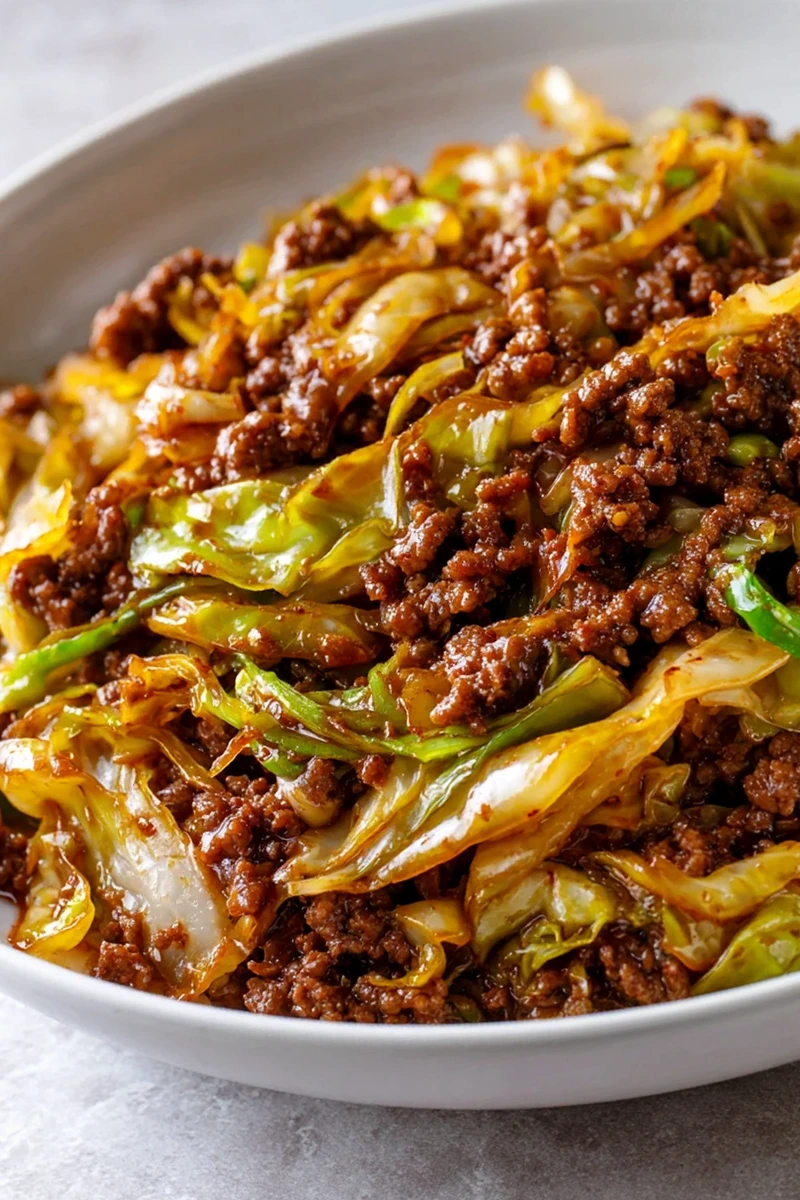
List of ingredients
- 3 cups cabbage, chopped
- 250 g ground beef (about 8 oz)
- 4 garlic cloves, minced
- 2 tbsp tamari sauce
- 2 tbsp olive oil
- 1 1/2 tsp chili flakes
- 1 tsp ginger, minced
step-by-step instructions
- Step: Heat olive oil in a large skillet over medium heat.
- Step: Add ground beef and cook until browned, about 5-7 minutes.
- Step: Stir in garlic, ginger, and chili flakes; sauté for 2-3 minutes.
- Step: Add chopped cabbage and tamari sauce; mix well.
- Step: Cook until cabbage is wilted, about 5-7 minutes.
- Step: Adjust seasoning as necessary, then serve.
Mastering the Skillet Method
Achieving the Perfect Beef Sear
To ensure your ground beef achieves a deep, flavorful brown color, avoid overcrowding the skillet. Spread the meat in an even layer and allow it to cook undisturbed for at least two minutes before you start breaking it up. This contact with the hot metal creates a savory crust that significantly improves the final flavor profile of the entire dish.
Managing Cabbage Texture Through Heat
The secret to great cabbage is controlling the moisture content during the cooking process. If you prefer a firmer crunch, keep the heat slightly higher and avoid covering the skillet. If you desire a softer, more integrated texture, turn the heat to medium-low and place a lid on the skillet for the final three minutes to gently steam the leaves.
Balancing the Flavor Profile
Tamari provides a rich, fermented saltiness that pairs beautifully with the natural sugars in cabbage. If the dish tastes too salty, consider adding a squeeze of fresh lime juice or a small amount of honey to counteract the intensity. Always taste the dish after the cabbage has fully wilted, as the vegetable will release its own juices, which can dilute the seasoning slightly.
Customization and Nutritional Adjustments
Vegetable Additions for Increased Fiber
You can easily boost the nutritional profile by incorporating other shredded vegetables like carrots or thinly sliced bell peppers. These add color and additional vitamins without overpowering the main flavor profile of the beef and cabbage. Add these firmer vegetables at the same time as the cabbage to ensure they soften at a similar rate.
Protein Swaps for Dietary Preferences
If you prefer a lighter base, you can substitute the beef with ground turkey or chicken. When using leaner poultry, add an extra tablespoon of oil or a splash of broth to prevent the meat from becoming dry during the sautéing process. Ensure the meat reaches an internal temperature that is fully cooked throughout before adding the aromatics.
Spiciness Adjustments
The chili flakes are meant to provide a subtle glow rather than intense heat. If you enjoy a spicier result, toast the chili flakes in the oil for thirty seconds before adding the beef. This technique infuses the cooking oil with the capsaicin, ensuring the heat is evenly distributed throughout the entire dish.
Practical Serving and Storage
Accompaniments That Complement the Dish
This dish is incredibly versatile and pairs well with neutral, absorbent sides that can soak up the savory juices. Steamed jasmine rice or quinoa are excellent choices for a complete meal. For a lower-carb option, serving the mixture over a bed of fresh spinach or inside butter lettuce leaves creates a crisp, refreshing taco-like experience.
Safe Refrigeration Guidelines
Store leftovers in a shallow airtight container to help the food cool down quickly. Once the mixture reaches room temperature, place it in the refrigerator where it will stay fresh for up to three days. Avoid storing it in metal containers for long periods, as the tamari can react with the material and alter the flavor.
Reheating Strategies for Best Results
When reheating, use a non-stick skillet over medium-low heat rather than a microwave to maintain the best texture. If the cabbage appears too dry after refrigeration, add one tablespoon of water or broth to the pan. This steam will revive the vegetables and prevent the meat from overcooking while you warm the meal through.
Common Queries Addressed
How do I prevent the dish from becoming watery?
Cabbage naturally contains a high water content. To avoid a soup-like consistency, ensure the pan is sufficiently hot before adding the cabbage and resist the urge to add extra liquid during the cooking process. If you find the pan becoming too wet, increase the heat for the final two minutes of cooking to help the excess moisture evaporate.
Can I prepare this ahead of time for the week?
You can pre-chop the cabbage and aromatics up to 24 hours in advance. Store the dry ingredients in a container lined with a paper towel to keep them crisp. When you are ready to cook, the prep time is reduced to almost nothing, making this an ideal choice for a rapid, healthy weeknight dinner.
Is this recipe suitable for freezing?
This dish is freezer-friendly, though the texture of the cabbage will change significantly and become very soft. Freeze in a freezer-safe bag or container with as little air as possible to prevent frost buildup. It is best enjoyed within two months, and it is recommended to thaw it in the refrigerator overnight before gently reheating it in a skillet.
What is the benefit of using tamari instead of soy sauce?
Tamari typically offers a cleaner, deeper umami flavor and is often wheat-free, making it a reliable option for those who monitor gluten intake. It provides the same savory saltiness required to balance the sweetness of the cabbage without the added complexities of other wheat-based soy sauces.
Can I add fresh herbs for a different finish?
Finishing the dish with freshly chopped cilantro or green onions adds a vibrant, fresh contrast to the cooked aromatics. Add these delicate herbs only after you have removed the skillet from the heat to preserve their color and bright, peppery flavor profile, as heat quickly destroys their fresh qualities.
What cut of ground beef is recommended?
Using a 90% lean ground beef is ideal for this recipe. It provides enough fat to help sauté the aromatics and season the cabbage without leaving an excessive amount of grease in the skillet, which can make the meal feel heavy. If you use a higher fat content, simply drain the excess fat before adding the vegetables.
Print
Savory Ground Beef and Cabbage Skillet
- Total Time: PT25M
- Yield: 4 servings 1x
- Diet: Gluten-free
Description
A nutritious and delicious one-pan dish featuring ground beef and cabbage, perfect for family meals.
Ingredients
- 3 cups cabbage, chopped
- 250 g ground beef (about 8 oz)
- 4 garlic cloves, minced
- 2 tbsp tamari sauce
- 2 tbsp olive oil
- 1 1/2 tsp chili flakes
- 1 tsp ginger, minced
Instructions
- Step: Heat olive oil in a large skillet over medium heat.
- Step: Add ground beef and cook until browned, about 5-7 minutes.
- Step: Stir in garlic, ginger, and chili flakes; sauté for 2-3 minutes.
- Step: Add chopped cabbage and tamari sauce; mix well.
- Step: Cook until cabbage is wilted, about 5-7 minutes.
- Step: Adjust seasoning as necessary, then serve.
Notes
Ensure cabbage is chopped into uniform strips for even cooking. The dish can be stored in the refrigerator for up to 4 days or frozen for up to 3 months.
- Prep Time: PT10M
- Cook Time: PT15M
- Category: Main Course
- Method: Stovetop
- Cuisine: American
Nutrition
- Serving Size: 1 serving
- Calories: 350 kcal
- Sugar: 3 g
- Sodium: 450 mg
- Fat: 18 g
- Saturated Fat: 6 g
- Unsaturated Fat: 10 g
- Trans Fat: 0 g
- Carbohydrates: 20 g
- Fiber: 4 g
- Protein: 28 g
- Cholesterol: 70 mg