
This Teriyaki Chicken Casserole provides a complete, balanced meal featuring tender chicken, mixed vegetables, and fluffy rice. It is a simplified one-pan approach to a classic Asian-inspired flavor profile that is easy to prepare for families.
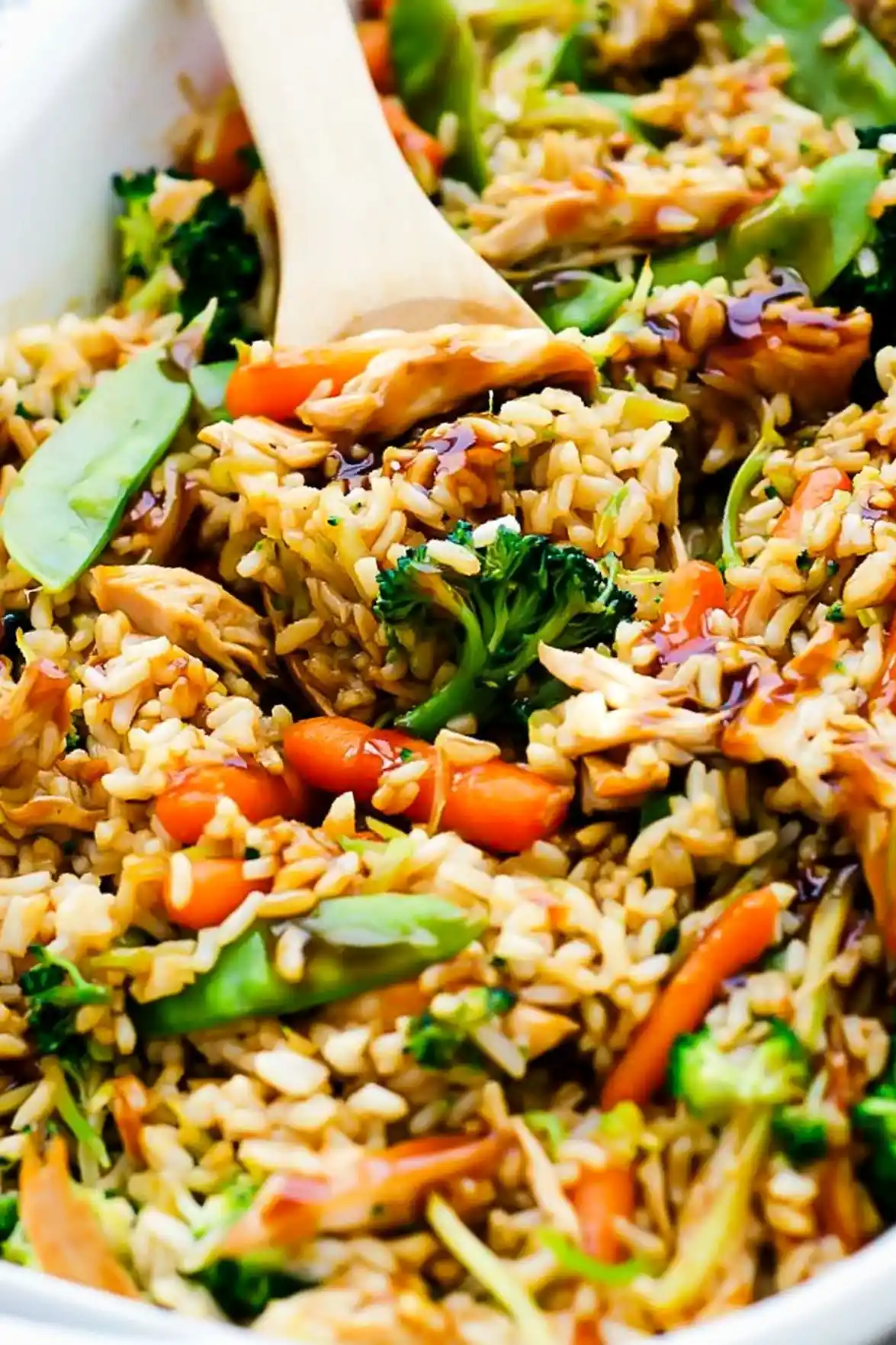
List of ingredients
- 3/4 cup low-sodium soy sauce – provides the salty base.
- 1/2 cup water – thins the sauce for consistency.
- 1/4 cup brown sugar – adds sweetness and caramelization.
- 1/2 teaspoon ground ginger – adds a warm, spicy note.
- 1/2 teaspoon minced garlic – provides aromatic depth.
- 2 Tablespoons cornstarch + 2 Tablespoons water – used as a thickening slurry.
- 1 pound boneless skinless chicken breasts – the primary protein.
- 1 bag (12 ounces) refrigerated stir-fry vegetables (broccoli, carrots, snow peas, etc.), steamed – adds color and nutrition.
- 3 cups cooked brown or white rice – the filling base of the dish.
step-by-step instructions
- Prepare Oven and Pan: Preheat oven to 350° F. Spray a 9×13-inch baking pan with non-stick spray.
- Simmer the Sauce: Combine soy sauce, 1/2 cup water, brown sugar, ginger and garlic in a small saucepan and cover. Bring to a boil over medium heat. Remove lid and cook for one minute once boiling.
- Thicken the Glaze: Stir together the corn starch and 2 tablespoons of water in a separate dish until smooth. Once sauce is boiling, add mixture to the saucepan and stir to combine. Cook until the sauce starts to thicken then remove from heat.
- First Bake: Place the chicken breasts in the prepared pan. Then place the steamed veggies all around the chicken breasts. Pour one cup of the sauce over top of chicken and veggies. Cover pan with foil and bake for 30 minutes or until internal temperature of chicken reaches 165 degrees F.
- Shred Chicken: Remove from oven. Carefully remove foil and shred chicken while still in the dish, using two forks.
- Combine and Finish: Add the cooked rice to the casserole dish. Add most of the remaining sauce, reserving a bit to drizzle over the top when serving. Gently toss everything together until combined.
- Final Heat: Return to oven and cook 10 minutes or until everything is heated through.
- Rest and Serve: Remove from oven and let stand 5 minutes before serving. Drizzle each serving with remaining sauce.
Advanced Cooking Techniques for Texture
Use a Meat Thermometer for Chicken Accuracy
To ensure the chicken remains juicy, use a digital meat thermometer to check the internal temperature. Pull the chicken from the oven exactly when it hits 165 degrees Fahrenheit. Overcooking chicken breasts can lead to a dry, stringy texture that affects the overall dish.
Drain Steamed Vegetables Thoroughly
After steaming your stir-fry vegetables, ensure they are drained of all excess water before adding them to the baking pan. If the vegetables are too wet, they will release moisture during the baking process. This can dilute the teriyaki sauce and make the final rice mixture watery.
Undercook the Rice Slightly
When preparing your rice ahead of time, cook it until it is just barely tender. Since the rice is returned to the oven for a final ten-minute heating cycle, starting with slightly underdone rice prevents it from becoming mushy. This maintains a distinct grain structure in the final casserole.
Implement a Gentle Folding Technique
When tossing the rice and shredded chicken with the sauce, use a folding motion rather than aggressive stirring. This prevents the rice grains from breaking and ensures the vegetables remain intact. A gentle toss distributes the sauce evenly without compromising the texture of the components.
Ingredient Substitutions and Customizations
Swap Brown Sugar for Liquid Sweeteners
If you do not have brown sugar, honey or maple syrup are excellent alternatives. These options provide a similar sweetness and help the sauce glaze the chicken beautifully. Note that honey is slightly sweeter, so you may want to reduce the amount by a tablespoon.
Use Tamari or Coconut Aminos for Gluten-Free Needs
For a gluten-free version, replace the low-sodium soy sauce with tamari or coconut aminos. Tamari offers a flavor profile very close to traditional soy sauce. Coconut aminos are slightly sweeter and lower in sodium, which may require a pinch of extra salt to balance the dish.
Customize the Vegetable Mix
While a pre-packaged stir-fry mix is convenient, you can use fresh vegetables like snap peas, baby corn, and red bell peppers. Sauté these briefly in a pan with a teaspoon of oil before adding them to the casserole. This adds a fresh crunch and enhances the visual appeal of the meal.
Explore Alternative Grains
While white or brown rice is traditional, quinoa or farro can be used for additional nutrients. Quinoa cooks faster and adds a nutty flavor that pairs well with teriyaki. If using cauliflower rice, reduce the final baking time to avoid overcooking the vegetables.
Serving and Presentation Ideas
Enhance with Fresh Garnishes
Add a sprinkle of toasted sesame seeds over each portion for a nutty flavor and professional look. Freshly sliced green onions provide a sharp, bright contrast to the sweet and savory glaze. A dash of red pepper flakes can be added for those who prefer a spicy kick.
Pair with Complementary Side Dishes
Serve this casserole alongside a chilled cucumber salad dressed in rice vinegar and sesame oil. Steamed edamame pods with sea salt also make a great side. These light, acidic sides help cut through the richness of the teriyaki sauce.
Plating for Family Style
For a family dinner, serve the casserole directly from the 9×13 baking dish to keep the food warm. Use a wide serving spoon to ensure each person gets a balanced portion of chicken, rice, and vegetables. Drizzling the reserved sauce immediately before serving keeps the dish looking glossy.
Storage and Food Safety
Proper Refrigeration Guidelines
Store any leftover casserole in an airtight container in the refrigerator for up to four days. To maintain the best quality, keep the extra sauce in a separate small container. This prevents the rice from absorbing all the moisture and becoming overly soft during storage.
Freezing and Long-Term Storage
This dish is freezer-friendly and can be stored for up to three months. Portion the leftovers into individual freezer-safe containers to make them easier to reheat for lunches. Ensure the food is completely cooled before sealing the lids to prevent ice crystals from forming.
Optimal Reheating Methods
When reheating in a microwave, add a tablespoon of water or a bit of extra teriyaki sauce to the dish. Cover the container with a damp paper towel to create steam, which re-hydrates the rice. Heat in short intervals, stirring in between to ensure the center is hot.
Meal Prep and Time-Saving Advice
Prepare the Sauce in Advance
The teriyaki glaze can be made several days before you plan to assemble the casserole. Store the thickened sauce in a glass jar in the refrigerator. When you are ready to cook, simply stir the sauce to re-incorporate any settled ingredients.
Batch Cook the Rice
Cook a large batch of rice at the start of the week and store it in the fridge. Cold rice is often easier to toss with the sauce without breaking the grains. This reduces the active cooking time on the day you prepare the casserole.
Stage the Baking Pan
You can assemble the chicken and vegetables in the pan and cover it with foil a few hours before baking. Keep the pan refrigerated until you are ready to preheat the oven. This allows the flavors to begin melding before the heat is applied.
Troubleshooting Common Issues
Fixing a Sauce That Is Too Thin
If your sauce does not thicken sufficiently during the boiling stage, create a small additional cornstarch slurry. Mix one teaspoon of cornstarch with a teaspoon of cold water and stir it into the simmering sauce. Continue to cook until the desired consistency is reached.
Preventing Dry Chicken Breasts
If you find the chicken is consistently too dry, consider using boneless, skinless chicken thighs instead. Thighs have a higher fat content and are more forgiving during the baking process. If using thighs, increase the initial baking time by 5 to 10 minutes.
Managing Mushy Rice Texture
If the rice becomes too soft, it is usually due to overcooking during the initial boil or the final bake. Ensure you use a fork to gently fold the rice in rather than stirring vigorously. Avoid adding too much extra sauce before the final oven step.
Frequently Asked Questions
Can I use chicken thighs instead of breasts?
Yes, chicken thighs are an excellent substitute and often result in a juicier dish. Because they take slightly longer to cook, you should check the internal temperature to ensure they have reached 165 degrees Fahrenheit before adding the rice.
Do I have to steam the vegetables first?
Yes, steaming the vegetables ensures they are cooked through. Since the vegetables are added to the pan with the chicken and then again with the rice, they do not spend enough time in the oven on their own to soften properly from a raw state.
Can this recipe be made in a slow cooker?
This specific recipe is designed for the oven to achieve the right texture for the rice. While you could slow cook the chicken and sauce, the rice would need to be stirred in and heated separately or finished in the oven to avoid becoming a porridge-like consistency.
What is the best type of rice to use?
Long-grain white rice or jasmine rice is recommended for a fluffy texture. Brown rice is a great healthier alternative, though it requires a longer initial cooking time before being added to the casserole.
Print
Savory Teriyaki Chicken and Rice Bake
- Total Time: 60 minutes
- Yield: 4 servings 1x
- Diet: General
Description
Teriyaki Chicken Casserole is full of savory chicken, rice and vegetables. The teriyaki sauce gives it outstanding flavor!
Ingredients
- 3/4 cup low-sodium soy sauce
- 1/2 cup water
- 1/4 cup brown sugar
- 1/2 teaspoon ground ginger
- 1/2 teaspoon minced garlic
- 2 Tablespoons cornstarch
- 2 Tablespoons water
- 1 pound boneless skinless chicken breasts
- 1 bag (12 ounces) refrigerated stir-fry vegetables (broccoli, carrots, snow peas, etc.) (steamed)
- 3 cups cooked brown or white rice
Instructions
- Step 1: Preheat oven to 350° F. Spray a 9×13-inch baking pan with non-stick spray.
- Step 2: Combine soy sauce, ½ cup water, brown sugar, ginger and garlic in a small saucepan and cover. Bring to a boil over medium heat. Remove lid and cook for one minute once boiling.
- Step 3: Meanwhile, stir together the corn starch and 2 tablespoons of water in a separate dish until smooth. Once sauce is boiling, add mixture to the saucepan and stir to combine. Cook until the sauce starts to thicken then remove from heat.
- Step 4: Place the chicken breasts in the prepared pan. Then place the steamed veggies all around the chicken breasts. Pour one cup of the sauce over top of chicken and veggies. Cover pan with foil and bake for 30 minutes or until internal temperature of chicken reaches 165 degrees F. Remove from oven. Carefully remove foil and shred chicken while still in the dish, using two forks.
- Step 5: Add the cooked rice to the casserole dish. Add most of the remaining sauce, reserving a bit to drizzle over the top when serving. Gently toss everything together until combined. Return to oven and cook 10 minutes or until everything is heated through. Remove from oven and let stand 5 minutes before serving. Drizzle each serving with remaining sauce. Enjoy!
Notes
This is a healthy, family-friendly meal that replaces processed cream-based ingredients with a savory homemade teriyaki sauce.
- Prep Time: 15 minutes
- Cook Time: 45 minutes
- Category: Main Course
- Method: Baking
- Cuisine: Asian-inspired
Nutrition
- Serving Size: 1 serving
- Calories: 464 kcal
- Sugar: 15 g
- Sodium: 950 mg
- Fat: 1.5 g
- Saturated Fat: 0.5 g
- Unsaturated Fat: 1.0 g
- Trans Fat: 0 g
- Carbohydrates: 21 g
- Fiber: 4 g
- Protein: 31 g
- Cholesterol: 85 mg