
Prepare professional-quality fresh pasta noodles at home using only a few basic pantry staples. This method ensures a tender yet firm texture that elevates any sauce you choose to pair it with.
List of ingredients
- 2 cups flour – all-purpose, 00, or semolina work best.
- 3 eggs – provides structure and rich color.
- 2 tsp olive oil – adds moisture and smoothness to the dough.
- 1 tsp salt – enhances the overall flavor profile.
- flour (for dusting) – prevents the dough from sticking to surfaces.
step-by-step instructions
- Prepare the flour nest: Pour the flour onto a clean work surface and create a wide well in the center with high walls to contain the liquid ingredients.
- Add wet ingredients: Pour the eggs, olive oil, and salt directly into the center of the flour nest.
- Combine the center: Use a fork to gently whisk the eggs and mix them with the oil and salt, being careful not to break the flour walls.
- Form the dough: Gradually fold the flour from the inner walls into the egg mixture using your hands until a shaggy dough ball forms.
- Knead the dough: Work the dough by pushing and folding for 8-10 minutes until it transforms into a smooth, elastic ball.
- Rest the dough: Shape the dough into a ball, cover it with a clean kitchen towel or plastic wrap, and let it sit at room temperature for 20 minutes.
- Divide the dough: Cut the rested dough ball into four equal portions for easier rolling.
- Pasta Maker Method: Roll each piece into a ball and flatten it with your palm. Run the oval through the widest setting, fold the short ends toward the center to form a rectangle, and then run the dough through the following sequence: 3 times on the widest setting, 3 times on the 2nd widest, 3 times on the 3rd widest, 1 time on the 4th, 1 time on the 5th, and 1 time on the 6th. Repeat for all pieces, dust with flour, cut to desired width, and boil in water for 1-2 minutes.
- Rolling Pin and Knife Method: Roll each piece into a ball and flatten with your palm. Use a rolling pin to create a long strip, fold the ends toward the center into a rectangle, and then roll out into a sheet about 2mm thick. Repeat for all pieces, dust with flour, fold the sheets in thirds, use a knife to cut into noodles, and boil in water for 1-2 minutes.
Choosing the Right Flour
All-Purpose Flour for General Use
All-purpose flour is the most accessible option and works well for most home cooks. It provides a balanced protein content that creates a sturdy noodle with a familiar chew. If you only have one flour in your pantry, this is a reliable choice for this recipe.
Using Semolina for Better Texture
Semolina flour is made from durum wheat and is coarser than standard flour. It results in a more traditional Italian texture with a distinct ‘al dente’ bite. Mixing half semolina and half all-purpose flour can provide a great balance of smoothness and structure.
The Benefits of Type 00 Flour
Type 00 flour is highly refined and milled to a very fine powder. It produces a silkier, softer pasta that is ideal for delicate sauces. Because the particles are so small, the dough incorporates more easily and rolls out very smoothly.
Dough Handling and Kneading Tips
Recognizing the Smooth Texture
Kneading is the most critical step for developing gluten, which gives pasta its strength. You will know the dough is ready when it feels smooth to the touch and springs back slowly when poked with a finger. If it remains lumpy or sticky, continue kneading for another two minutes.
The Importance of the Resting Period
Resting the dough for 20 minutes allows the gluten network to relax and the flour to fully hydrate. Without this step, the dough will be too elastic and will shrink back every time you try to roll it out. Covering the dough prevents a dry skin from forming on the surface.
Managing Sticky Dough
Depending on the humidity of your kitchen or the size of your eggs, the dough may occasionally feel too sticky. If the dough clings to your hands or the counter, sprinkle a small amount of flour over the surface. Use just enough flour to make the dough manageable without making it too dry.
Mastering the Rolling Process
Achieving Uniform Thickness with a Machine
When using a pasta machine, the gradual reduction in thickness is essential for the structural integrity of the noodle. Moving too quickly through settings can tear the dough or create uneven spots. Following the 3-3-3-1-1-1 sequence ensures the gluten is evenly distributed and the sheet is consistent.
Techniques for Manual Rolling
If rolling by hand, use a heavy rolling pin and apply pressure from the center outward. Keep your work surface lightly floured to ensure the dough glides easily. Aim for a thickness of about 2mm; if the pasta is too thick, it will be doughy in the center after cooking.
Preventing Noodles from Sticking Together
Fresh pasta has a high moisture content and sticks together very quickly once cut. Generously dust the rolled sheets with flour before folding and cutting. Once cut, toss the noodles gently in a bowl with extra flour to keep the strands separate.
Cooking and Serving Fresh Pasta
Precise Boiling Times
Fresh pasta cooks significantly faster than dried pasta. Keep a close eye on the pot, as the noodles usually reach the perfect texture in just 1 to 2 minutes. They are typically done when they float to the surface of the boiling water.
Selecting the Best Pasta Sauces
Fresh egg noodles pair exceptionally well with rich, creamy sauces or butter-based emulsions. Because they are more delicate than dried pasta, avoid overly heavy or acidic sauces that might overwhelm the flavor. A simple sage butter or a light Alfredo is a classic pairing.
How to Drain Fresh Noodles
Use a spider strainer or a slotted spoon to remove fresh pasta from the water rather than pouring everything into a colander. This prevents the delicate noodles from breaking or clumping. Reserve a small amount of the starchy pasta water to help thicken your sauce.
Storage and Preservation
Refrigerating Fresh Dough
If you cannot make the pasta immediately, wrap the dough ball tightly in plastic wrap to exclude all air. It can be stored in the refrigerator for up to two days. Let the dough come back to room temperature for 30 minutes before rolling to ensure it is pliable.
Freezing Fresh Pasta Long-Term
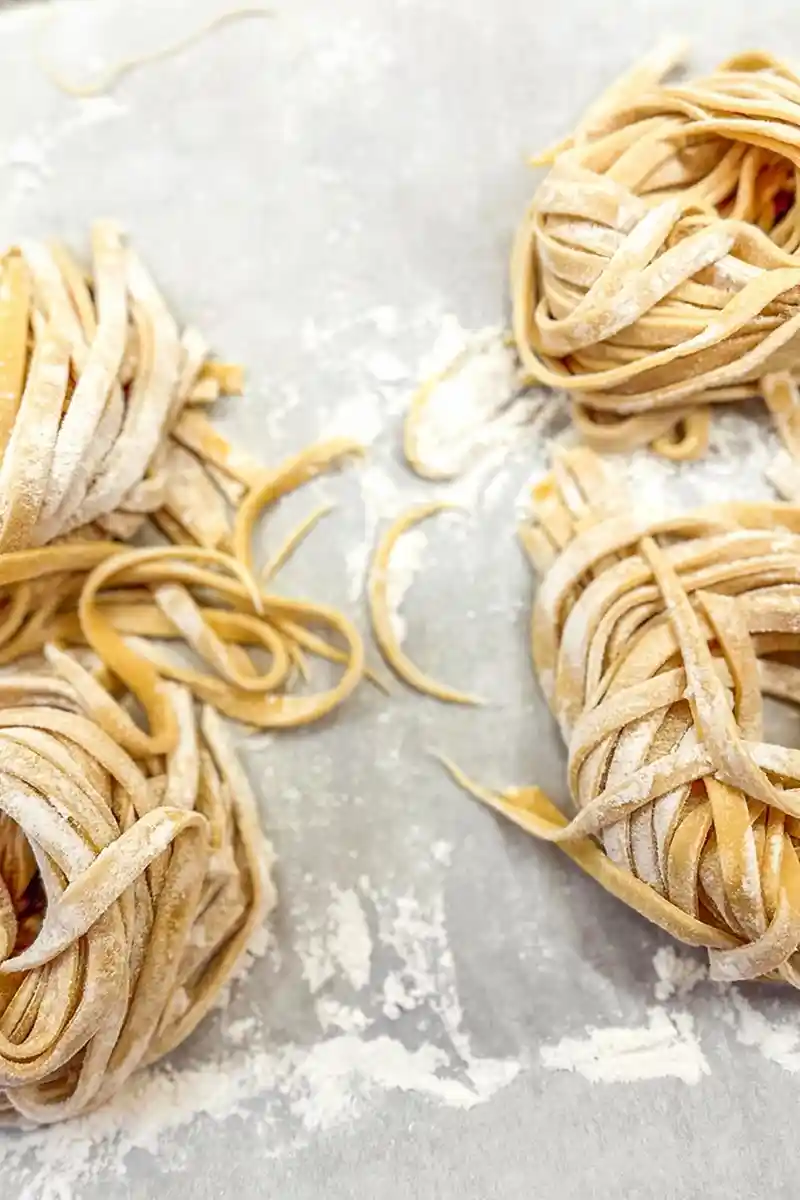
To freeze fresh noodles, toss them in plenty of flour and form them into small ‘nests’ on a baking sheet. Freeze the nests individually until solid, then transfer them to an airtight freezer bag. You can cook these directly from frozen by adding an extra minute to the boiling time.
Storing Cooked Noodles
Cooked fresh pasta should be tossed with a small amount of olive oil to prevent sticking before being refrigerated. Store them in an airtight container for up to three days. When reheating, a quick plunge into boiling water for 30 seconds is better than using a microwave.
Customizing Your Pasta
Adding Natural Vegetable Colors
You can change the color of your pasta by substituting a portion of the eggs with pureed vegetables. Spinach puree creates a vibrant green pasta, while roasted beet puree results in a deep red. Ensure the puree is very thick to avoid altering the liquid-to-flour ratio.
Incorporating Herbs into the Dough
Finely minced herbs like parsley or basil can be kneaded directly into the flour before adding the wet ingredients. This infuses the noodle itself with flavor. Be sure to use dried herbs or very finely chopped fresh herbs to avoid creating holes in the dough.
Adjusting Liquid Ratios for Humidity
In very humid environments, the flour may absorb moisture from the air, making the dough too sticky. In this case, add an extra tablespoon of flour during the mixing phase. Conversely, in dry climates, a teaspoon of water may be necessary to help the dough come together.
Troubleshooting Common Issues
What to do if the Dough is Too Dry
If the dough remains crumbly and will not form a ball after several minutes of kneading, it is likely too dry. Wet your hands under a faucet and continue kneading, incorporating small amounts of water at a time. Avoid pouring water directly onto the dough to prevent wet spots.
Fixing Dough that is Too Sticky
Sticky dough often occurs if the eggs were larger than average. Add flour one tablespoon at a time while kneading until the dough releases cleanly from your work surface. Do not over-flour the dough, as this can make the final pasta tough.
Solving Tearing During Rolling
Tearing usually happens if the dough was not rested long enough or if it is too dry. If the dough tears, let it rest for another 10 minutes to relax the gluten. If it still tears, try adding a tiny drop of olive oil to the dough and kneading it in briefly.
Frequently Asked Questions
Can I make this recipe vegan?
This specific recipe relies on eggs for structure and richness. To make a vegan version, you would need to replace the eggs with a combination of water, olive oil, and a binder like cornstarch or xanthan gum, though the texture will differ from traditional egg pasta.
How many people does this recipe feed?
This recipe typically yields 4 servings of fresh pasta. Depending on whether the pasta is served as a main course or a side dish, you may need to adjust the quantities accordingly.
Do I have to use a pasta machine?
No, a pasta machine is not required. You can achieve excellent results using a standard rolling pin and a sharp knife, as detailed in the Rolling Pin and Knife Method section of the instructions.
Can I use whole wheat flour?
Yes, you can substitute some or all of the all-purpose flour with whole wheat flour. Note that whole wheat flour absorbs more liquid, so you may need to add an extra teaspoon of olive oil or water to keep the dough pliable.
Print
Simple Homemade Egg Pasta Noodles
- Total Time: 37 minutes
- Yield: 4 servings 1x
- Diet: General
Description
This is the easiest recipe to make fresh pasta noodles at home!
Ingredients
- 2 cups flour
- 3 eggs
- 2 tsp olive oil
- 1 tsp salt
- flour (for dusting)
Instructions
- Make nest: Make a nest with your flour on a work surface, creating walls that will hold the remaining ingredients.
- Add ingredients: Add your eggs, olive oil, and salt to the center of the nest.
- Whisk: Using a fork, break your egg yolks and give the ingredients a little whisk.
- Combine: With your hands, start to fold the flour in and combine the flour with the egg mixture, forming a shaggy dough ball.
- Knead: Knead the dough for 8-10 minutes, and it will start to form a smooth ball of dough!
- Rest: Roll the dough into a ball, cover with a clean kitchen towel or plastic wrap, and let it sit for 20 minutes.
- Divide: After it sits, cut the ball into four equal pieces.
- Pasta Maker Method: Roll each piece into a ball and flatten with your palm. Run the oval through the widest setting of your pasta maker. Then, fold the short ends of your dough toward the center, to form a rectangle.
- Roll Sequence: Run the pasta dough through: 3 x the widest setting, 3 x the 2nd widest setting, 3 x the 3rd widest setting, 1 x the 4th widest setting, 1 x the 5th widest setting, and 1 x the 6th widest setting.
- Cut: Repeat this sequence with all dough pieces, sprinkle with flour to prevent sticking, and cut or run through your desired pasta cut setting.
- Rolling Pin Method: Roll each piece into a ball, flatten, and use a rolling pin to roll out the dough into a long strip. Fold the short ends toward the center to form a rectangle.
- Final Roll: Roll out the dough into a long rectangular sheet until it’s at your desired thickness (about 2mm thick).
- Manual Cut: Repeat for all pieces, sprinkle with flour, fold the dough in thirds, and use a knife to cut into noodles.
- Cook: Cook the fresh noodles in boiling water for 1-2 minutes.
Notes
All-purpose flour is used, but semolina flour or 00 flour are also excellent options.
- Prep Time: 15 minutes
- Cook Time: 2 minutes
- Category: Main Course
- Method: Hand-kneaded
- Cuisine: Italian
Nutrition
- Serving Size: 1 serving
- Calories: 325 kcal
- Sugar: 2 g
- Sodium: 600 mg
- Fat: 6 g
- Saturated Fat: 2 g
- Unsaturated Fat: 4 g
- Trans Fat: 0 g
- Carbohydrates: 48 g
- Fiber: 2 g
- Protein: 11 g
- Cholesterol: 137 mg