
This bright and silky pasta dish strikes the perfect balance between comfort and fresh, citrusy flavor. By using whole milk ricotta and starchy cooking water, you can achieve a restaurant-quality sauce in the time it takes to boil your noodles. It is an excellent choice for a busy weeknight meal that feels surprisingly elegant.
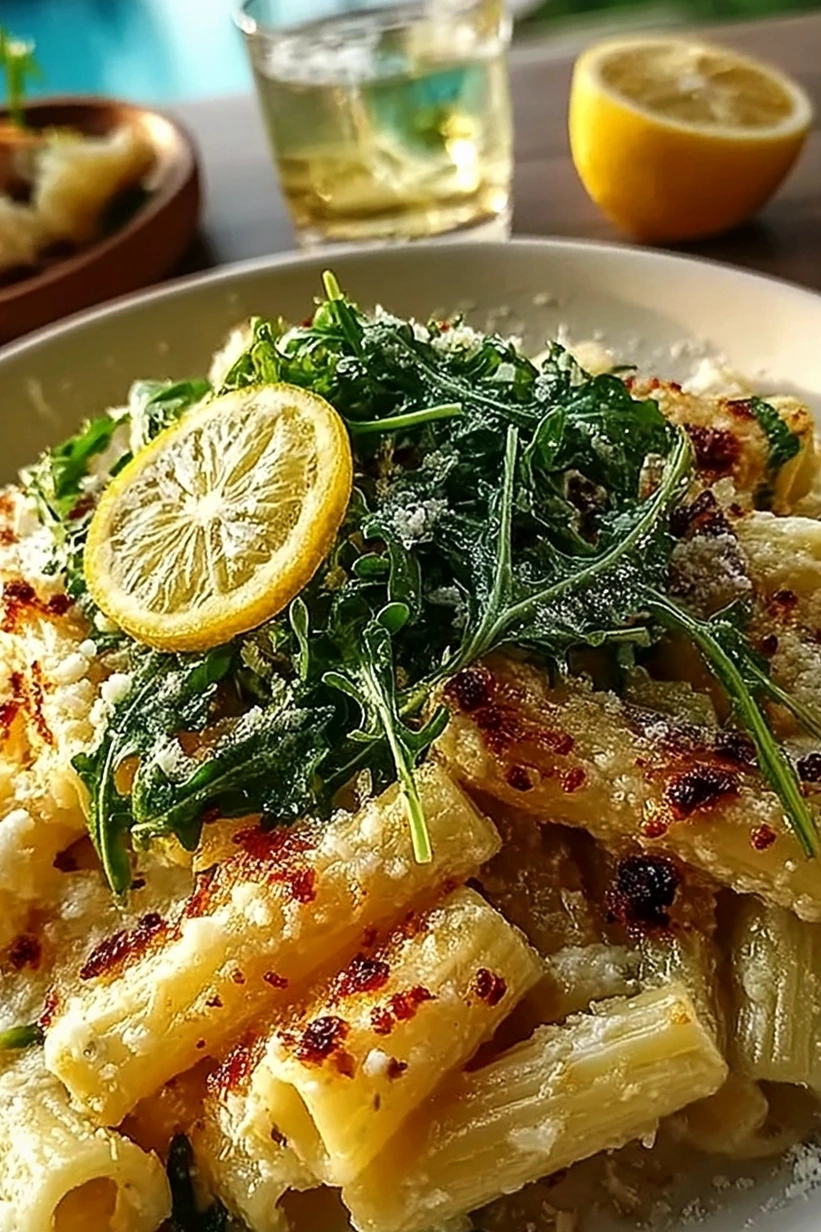
List of ingredients
- 12 ounces spaghetti or linguine
- 1 cup whole milk ricotta
- 1 large lemon, zested
- 3 tablespoons fresh lemon juice
- 1/2 cup freshly grated Parmesan cheese
- 2 tablespoons extra virgin olive oil
- 1 small garlic clove, finely grated
- 1/2 teaspoon kosher salt, plus more for pasta water
- 1/2 teaspoon freshly cracked black pepper
- 3 cups baby arugula
- 1/2 cup reserved pasta water, plus more as needed
- 2 tablespoons extra Parmesan for serving
- 1 teaspoon extra lemon zest for serving
step-by-step instructions
- Step 1: Bring a large pot of salted water to a boil. Add the pasta and cook until al dente according to the package directions. Before draining, reserve at least 1 cup of pasta water.
- Step 2: In a large mixing bowl, stir together the ricotta, lemon zest, lemon juice, Parmesan, olive oil, garlic, salt, and black pepper until creamy.
- Step 3: Add 1/2 cup hot reserved pasta water to the ricotta mixture and stir until the sauce loosens and looks smooth.
- Step 4: Drain the pasta and immediately add it to the bowl with the ricotta lemon sauce.
- Step 5: Toss until the pasta is evenly coated, adding more pasta water a little at a time if the sauce feels too thick.
- Step 6: Add the baby arugula and toss again until it gently wilts from the heat of the pasta.
- Step 7: Taste and adjust with more salt, pepper, lemon juice, or Parmesan if needed.
- Step 8: Serve right away with extra Parmesan, lemon zest, and a small drizzle of olive oil.
Refining the Texture of Your Pasta
The Role of Starchy Water in Emulsification
The secret to achieving a professional, restaurant-style finish is the reserved pasta water. As the pasta cooks, it releases starch into the water, creating a liquid that acts as a natural thickener and binder. When you mix this water with the ricotta, it creates a creamy emulsion that clings to the noodles instead of sliding off, ensuring that every mouthful is perfectly seasoned and balanced.
Why Using Whole Milk Ricotta Matters
Whole milk ricotta contains a higher fat content than part-skim varieties, which is essential for creating a luxurious mouthfeel. The fat molecules help prevent the sauce from breaking or separating when it comes into contact with the heat of the freshly cooked pasta. If you only have part-skim on hand, you may need to increase the amount of Parmesan or olive oil slightly to compensate for the difference in richness and ensure the sauce remains silky.
Temperature Management for Smooth Results
Ricotta is sensitive to extreme heat, and exposing it to boiling temperatures can cause the proteins to clump and the texture to become grainy. By mixing the sauce in a separate bowl and relying on the residual heat of the cooked pasta rather than direct stovetop heat, you protect the delicate structure of the dairy. Always ensure you are working in a large enough bowl so that the pasta can be tossed vigorously without cooling down too quickly.
Selecting and Preparing Your Ingredients
Achieving Maximum Flavor with Fresh Citrus
Using fresh, unwaxed lemons is a simple way to elevate the aromatic profile of this dish. When zesting, aim to remove only the bright yellow outer layer, as the white pith beneath it is quite bitter and can alter the desired citrus clarity of the sauce. Adding the zest at the very end of the process helps preserve the volatile oils, giving each bite a vibrant, clean finish that dried zest or bottled juices simply cannot replicate.
Choosing the Right Pasta Shape
While spaghetti or linguine are classic choices, you can also experiment with other shapes depending on your preference. Long, thin noodles are ideal because they provide a larger surface area for the sauce to coat evenly. However, if you prefer short shapes, look for pasta with ridges, such as rigatoni or fusilli. These textures act like small reservoirs that capture pockets of the creamy ricotta sauce, offering a different but equally delicious experience.
The Importance of Freshly Grated Parmesan
Pre-grated cheese often contains anti-caking agents that can prevent it from melting smoothly into the sauce. For the best consistency and taste, always purchase a block of aged Parmesan and grate it finely yourself. This ensures that the cheese melts properly into the warm pasta water, providing that vital savory note that balances the acidity of the lemon and the creaminess of the ricotta.
Variations and Protein Additions
Adding Hearty Proteins to Your Meal
This dish is incredibly versatile and can be easily adapted to include various proteins. If you wish to make it a more substantial meal, consider adding seared shrimp or thinly sliced grilled chicken breast. Simply season these additions with a little garlic and salt, and fold them into the pasta alongside the arugula to ensure they are warmed through without overcooking.
Incorporating Complementary Vegetables
If you want to add more texture and nutrition, feel free to introduce quick-cooking vegetables like sautéed zucchini ribbons or blanched asparagus tips. These additions should be added during the final tossing step so they remain bright and crisp. Avoid adding watery vegetables like cucumbers, as they can dilute the delicate balance of the ricotta sauce and compromise the creamy mouthfeel of the dish.
Enhancing with Fresh Herbs
While the recipe relies on arugula for its peppery bite, you can experiment with other fresh herbs to customize the flavor. A sprinkle of fresh basil, flat-leaf parsley, or even a tiny amount of fresh mint can add a new dimension to the lemon profile. Add these delicate herbs right before serving to maintain their color and fresh, vibrant scent.
Serving and Storage Advice
Creating an Appealing Table Presentation
To make the dish look as good as it tastes, serve it in shallow, wide-rimmed bowls that allow the sauce to remain evenly distributed. A finishing drizzle of cold-pressed olive oil, a fresh crack of black pepper, and a final garnish of lemon zest make for a striking visual contrast against the pale cream sauce and vibrant green arugula. This makes the meal feel like a special occasion even when it is prepared on a busy weeknight.
Best Practices for Reheating Leftovers
Because ricotta-based sauces are prone to thickening significantly once they cool, reheating requires a gentle touch. To restore the creamy texture, place the leftovers in a small pan over very low heat and add a tablespoon or two of water or broth. Stir constantly until the sauce returns to a glossy, fluid state. If using a microwave, cover the bowl loosely and heat in short, thirty-second intervals, stirring between each burst to ensure even warming without splitting the sauce.
Common Queries Addressed
Is it possible to use a different cheese if I dislike ricotta?
If you are looking for a substitute, creamy goat cheese can provide a similar tang, though it will be significantly bolder in flavor. Alternatively, mascarpone offers a very rich and smooth texture, though it lacks the slight graininess of ricotta and is much higher in fat. Stick to whole milk ricotta for the most authentic result, as its neutral flavor profile acts as the perfect canvas for the lemon and garlic.
How can I prevent the sauce from becoming too thick?
The most common reason for a thick sauce is insufficient pasta water or waiting too long to serve. Always reserve an extra half cup of pasta water beyond what you think you need. Even after the dish is plated, having a small amount of warm water on the side allows you to adjust the consistency if the pasta sits for a few minutes and begins to absorb the liquid.
What is the best way to clean the arugula?
Baby arugula should be rinsed under cool, running water and dried thoroughly using a salad spinner or paper towels. If the greens are wet when added to the hot pasta, they will release excess moisture into the bowl, which can thin out your sauce unintentionally. Ensuring the leaves are dry guarantees that the sauce clings to them properly rather than sliding off due to extra water content.
Can this dish be made vegan?
Adapting this dish for a vegan diet involves replacing the ricotta, Parmesan, and dairy elements. Use a high-quality, soy-based or almond-based ricotta substitute and a plant-based hard cheese alternative. You will likely need to increase the amount of lemon juice and olive oil to ensure the sauce retains the necessary acidity and richness, as plant-based alternatives often have a different mouthfeel than traditional dairy products.
Print
Stanley Tucci’s Creamy Lemon Ricotta Pasta with Arugula
- Total Time: PT22M
- Yield: 4 servings 1x
- Diet: Vegetarian
Description
This creamy lemon ricotta pasta with arugula is a bright, creamy, and easy dinner that tastes elegant without taking much time. Made with tender pasta, whole milk ricotta, fresh lemon, Parmesan, and peppery arugula, it is perfect for quick weeknight dinners and fresh comfort food.
Ingredients
- 12 ounces spaghetti or linguine
- 1 cup whole milk ricotta
- 1 large lemon, zested
- 3 tablespoons fresh lemon juice
- 1/2 cup freshly grated Parmesan cheese
- 2 tablespoons extra virgin olive oil
- 1 small garlic clove, finely grated
- 1/2 teaspoon kosher salt, plus more for pasta water
- 1/2 teaspoon freshly cracked black pepper
- 3 cups baby arugula
- 1/2 cup reserved pasta water, plus more as needed
- 2 tablespoons extra Parmesan for serving
- 1 teaspoon extra lemon zest for serving
Instructions
- Step 1: Bring a large pot of salted water to a boil. Add the pasta and cook until al dente according to the package directions. Before draining, reserve at least 1 cup of pasta water.
- Step 2: In a large mixing bowl, stir together the ricotta, lemon zest, lemon juice, Parmesan, olive oil, garlic, salt, and black pepper until creamy.
- Step 3: Add 1/2 cup hot reserved pasta water to the ricotta mixture and stir until the sauce loosens and looks smooth.
- Step 4: Drain the pasta and immediately add it to the bowl with the ricotta lemon sauce.
- Step 5: Toss until the pasta is evenly coated, adding more pasta water a little at a time if the sauce feels too thick.
- Step 6: Add the baby arugula and toss again until it gently wilts from the heat of the pasta.
- Step 7: Taste and adjust with more salt, pepper, lemon juice, or Parmesan if needed.
- Step 8: Serve right away with extra Parmesan, lemon zest, and a small drizzle of olive oil.
Notes
Use whole milk ricotta for the creamiest sauce and avoid heating it directly over high heat. Reserve more pasta water than you think you need to keep the sauce silky. Add the arugula at the final moment to maintain its fresh bite.
- Prep Time: PT10M
- Cook Time: PT12M
- Category: Dinner
- Method: Stovetop
- Cuisine: Italian Inspired
Nutrition
- Serving Size: 1 bowl
- Calories: 435 kcal
- Sugar: 3g
- Sodium: 480mg
- Fat: 17g
- Saturated Fat: 7g
- Unsaturated Fat: 9g
- Trans Fat: 0g
- Carbohydrates: 53g
- Fiber: 3g
- Protein: 18g
- Cholesterol: 32mg