
This indulgent lasagna combines a rich meat sauce with a velvety, multi-cheese blend for a truly luxurious meal. It is an ideal choice for large family gatherings or special dinner occasions where comfort food is the priority.
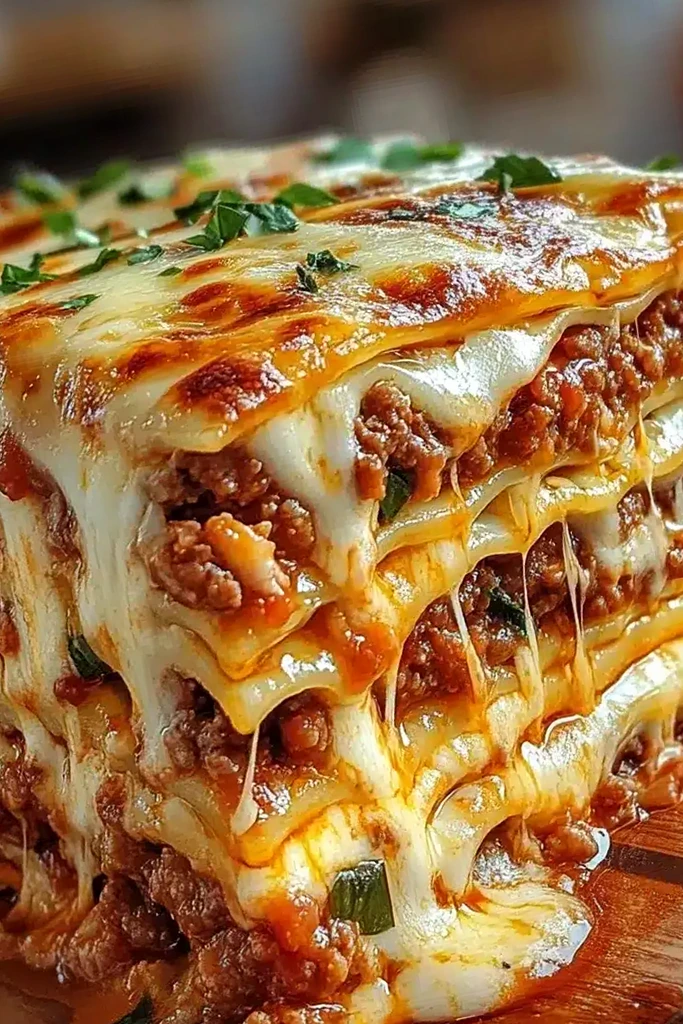
List of ingredients
- 1 lb ground beef – lean preference for less grease.
- 1 lb beef Italian sausage – provides a savory, spiced depth.
- 1 medium onion, diced – adds a sweet aromatic base.
- 3 garlic cloves, minced – essential for bold flavor.
- 1 jar (24 oz) marinara sauce – used as the primary sauce base.
- 1 can (14 oz) diced tomatoes – adds texture and acidity.
- 1 tsp Italian seasoning – a blend of dried herbs for authenticity.
- Salt and pepper to taste – used for final seasoning adjustments.
- 2 cups ricotta cheese or cottage cheese – creates the creamy structure.
- 1 package (8 oz) cream cheese, softened – the secret to the rich texture.
- 1/2 cup sour cream – adds a slight tang and smoothness.
- 1 large egg – acts as a binder for the cheese layer.
- 1/2 cup grated Parmesan cheese – adds a salty, nutty finish.
- 2 cups shredded mozzarella cheese, divided – used for filling and the golden top.
- 12 lasagna noodles, cooked and drained (or no-boil noodles) – the structural base.
step-by-step instructions
- Prepare the Meat Sauce: Brown the ground beef and beef Italian sausage in a large skillet. Stir in the diced onions and minced garlic, cooking until the onion is translucent. Add the marinara sauce, diced tomatoes, Italian seasoning, salt, and pepper, then simmer for 10-15 minutes to meld flavors.
- Combine the Cheese Mixture: In a large mixing bowl, blend the ricotta (or cottage cheese), softened cream cheese, sour cream, egg, Parmesan, and 1 cup of the shredded mozzarella. Stir until the mixture is completely smooth and well-integrated.
- Assemble the Layers: Grease a 9×13-inch baking dish and spread a thin layer of meat sauce on the bottom. Place three noodles on top, followed by one-third of the cheese mixture and a layer of meat sauce. Repeat this sequence two more times, finishing with a final layer of three noodles, the remaining meat sauce, and the final cup of mozzarella cheese.
- Bake the Dish: Cover the baking dish tightly with aluminum foil and bake at 375°F for 25 minutes. Remove the foil and bake for an additional 20 minutes until the mozzarella is golden brown and bubbling.
- Rest and Serve: Allow the lasagna to rest for 10-15 minutes before slicing. This ensures the layers set properly and the slices remain intact when served.
Mastering the Assembly Process
Preventing Sogginess in the Layers
To avoid a watery lasagna, ensure your cooked noodles are drained thoroughly before layering. If using diced tomatoes from a can, you can lightly strain the excess liquid before adding them to the meat sauce.
Optimizing the Layering Sequence
Always start with a thin layer of meat sauce on the bottom of the pan. This prevents the bottom layer of noodles from sticking to the dish and ensures they cook evenly through hydration.
Ensuring Even Cheese Distribution
Use a silicone spatula to spread the cream cheese mixture to the very edges of the pan. Even distribution prevents the edges from drying out and ensures every bite has the same creamy consistency.
Ingredient Alternatives and Swaps
Beef Sausage Substitutes
If you prefer a leaner profile, replace the beef Italian sausage with ground turkey or ground chicken seasoned with fennel and garlic. This maintains the flavor profile while reducing the overall fat content.
Ricotta Versus Cottage Cheese
Ricotta provides a smooth and traditional texture, while cottage cheese offers a slightly chunkier feel and a lighter flavor. Both work perfectly, but you may wish to blend cottage cheese in a food processor for a smoother result.
Utilizing No-Boil Lasagna Noodles
No-boil noodles are a great time-saver but require more moisture to cook. If using these, add an extra half-cup of water or marinara sauce to your meat mixture to ensure the pasta hydrates fully.
Professional Baking Techniques
Maintaining Precise Oven Temperature
Ensure your oven is fully preheated to 375°F before sliding the dish inside. Using an oven thermometer can help verify that the heat is consistent, which prevents the cheese from burning before the center is hot.
Proper Foil Placement
When covering the dish, tent the foil slightly so it does not touch the mozzarella cheese. This prevents the cheese from sticking to the foil and being pulled off when you uncover the lasagna.
The Importance of the Resting Period
Cutting into a lasagna immediately after baking often results in the layers sliding apart. Resting the dish for 15 minutes allows the proteins and cheeses to firm up, creating clean, professional-looking slices.
Serving and Pairing Ideas
Adding Fresh Herb Garnishes
Garnish the finished dish with freshly chopped basil or flat-leaf parsley. The brightness of fresh herbs cuts through the richness of the cream cheese and mozzarella, adding a fresh aromatic note.
Complementary Side Dish Pairings
Serve this lasagna with a crisp Caesar salad or a side of steamed broccoli to balance the meal. Garlic bread is also a classic accompaniment that helps soak up any extra meat sauce.
Determining Optimal Portion Sizes
Divide the 9×13-inch pan into 8 generous rectangles for a main course. For a larger crowd, you can cut the lasagna into 12 smaller squares and serve them alongside larger portions of side vegetables.
Storage and Preservation
Guidelines for Refrigeration
Store leftover lasagna in an airtight container or wrap the baking dish tightly in plastic wrap. It will remain fresh in the refrigerator for up to 4 days, provided it is cooled quickly after baking.
Safe Freezing Methods
For the best results, freeze the lasagna before baking it. Wrap the assembled dish in two layers of plastic wrap and a layer of heavy-duty aluminum foil, labeling it with the date.
Thawing and Preparing Frozen Lasagna
Thaw the frozen lasagna in the refrigerator for 24 hours before baking. This gradual thaw ensures the center reaches the correct temperature without overcooking the outer edges.
Effective Reheating Strategies
Using the Oven for Best Texture
Reheat individual slices at 350°F in a covered baking dish for 20 minutes. This method preserves the structural integrity of the layers and keeps the cheese from becoming rubbery.
Quick Microwave Reheating
Heat portions on medium power in 1-minute intervals, covering the dish with a microwave-safe lid. This prevents the sauce from splattering and keeps the moisture trapped within the noodles.
Maintaining Moisture During Reheat
Add a tablespoon of marinara sauce or a sprinkle of water over the slice before reheating. This replenishes any moisture lost during storage and prevents the noodles from drying out.
Troubleshooting Common Issues
Fixing Watery Lasagna Layers
If your lasagna is too watery, it is likely due to excess moisture in the vegetables or cheese. Ensure the meat is browned thoroughly and any excess fat is drained from the skillet before adding the sauce.
Preventing Burnt Top Cheese
If the mozzarella browns too quickly, lower the oven temperature by 25 degrees for the final uncovered stage. You can also cover the top loosely with foil if the cheese looks golden but the center is still cold.
Solving Undercooked Noodles
If the noodles are still firm, you may not have used enough sauce or covered the pan sufficiently. Ensure the foil seal is tight during the first 25 minutes to trap steam and cook the pasta.
Frequently Asked Questions
Can I make this lasagna ahead of time?
Yes, you can assemble the entire dish a day in advance and keep it refrigerated. When you are ready to bake, add 5 to 10 minutes to the covered baking time to account for the cold temperature.
How do I make a vegetarian version?
Replace the beef and sausage with a mixture of sautéed mushrooms, zucchini, and spinach. Use a hearty vegetarian marinara sauce and follow the same layering process with the cheese mixture.
Can I double this recipe for a larger crowd?
You can easily scale this recipe by using two 9×13-inch pans. Avoid stacking the layers too high in a single deep pan, as this can lead to uneven cooking in the center.
Print
Ultra Creamy Million Dollar Lasagna
- Total Time: 1 hour 10 minutes
- Yield: 8 servings 1x
- Diet: General
Description
A rich and indulgent lasagna recipe with layers of creamy cheese, savory meat sauce, and tender noodles. Perfect for family dinners or special occasions.
Ingredients
- 1 lb ground beef
- 1 lb beef-based Italian sausage
- 1 medium onion, diced
- 3 garlic cloves, minced
- 1 jar (24 oz) marinara sauce
- 1 can (14 oz) diced tomatoes
- 1 tsp Italian seasoning
- Salt and pepper to taste
- 2 cups ricotta cheese or cottage cheese
- 1 package (8 oz) cream cheese, softened
- 1/2 cup sour cream
- 1 large egg
- 1/2 cup grated Parmesan cheese
- 2 cups shredded mozzarella cheese, divided
- 12 lasagna noodles, cooked and drained (or no-boil noodles)
Instructions
- Prepare Meat Sauce: Brown the ground beef and beef-based Italian sausage. Add onions, garlic, marinara, diced tomatoes, and seasonings. Simmer for 10-15 minutes.
- Make Cheese Mixture: Mix ricotta (or cottage cheese), cream cheese, sour cream, egg, Parmesan, and 1 cup mozzarella until smooth.
- Assemble: Layer the meat sauce, noodles, and cheese mixture in a 9×13-inch baking dish. Repeat layers and top with mozzarella.
- Bake: Cover with foil and bake at 375°F for 25 minutes. Remove foil and bake for another 20 minutes until golden and bubbly.
- Rest: Let the lasagna rest for 10-15 minutes before serving.
Notes
For a vegetarian version, substitute the meat with roasted vegetables like zucchini or mushrooms. For extra cheesiness, sprinkle additional mozzarella before reheating leftovers.
- Prep Time: 25 minutes
- Cook Time: 45 minutes
- Category: Main Course
- Method: Baking
- Cuisine: American
Nutrition
- Serving Size: 1 slice
- Calories: 580 kcal
- Sugar: 7 g
- Sodium: 1250 mg
- Fat: 36 g
- Saturated Fat: 18 g
- Unsaturated Fat: 18 g
- Trans Fat: 0 g
- Carbohydrates: 33 g
- Fiber: 3 g
- Protein: 28 g
- Cholesterol: 110 mg