
This quick-assembly meal combines protein-rich ground beef with fluffy quinoa for a balanced dinner. It is designed for efficiency and works well for weekly meal preparation.
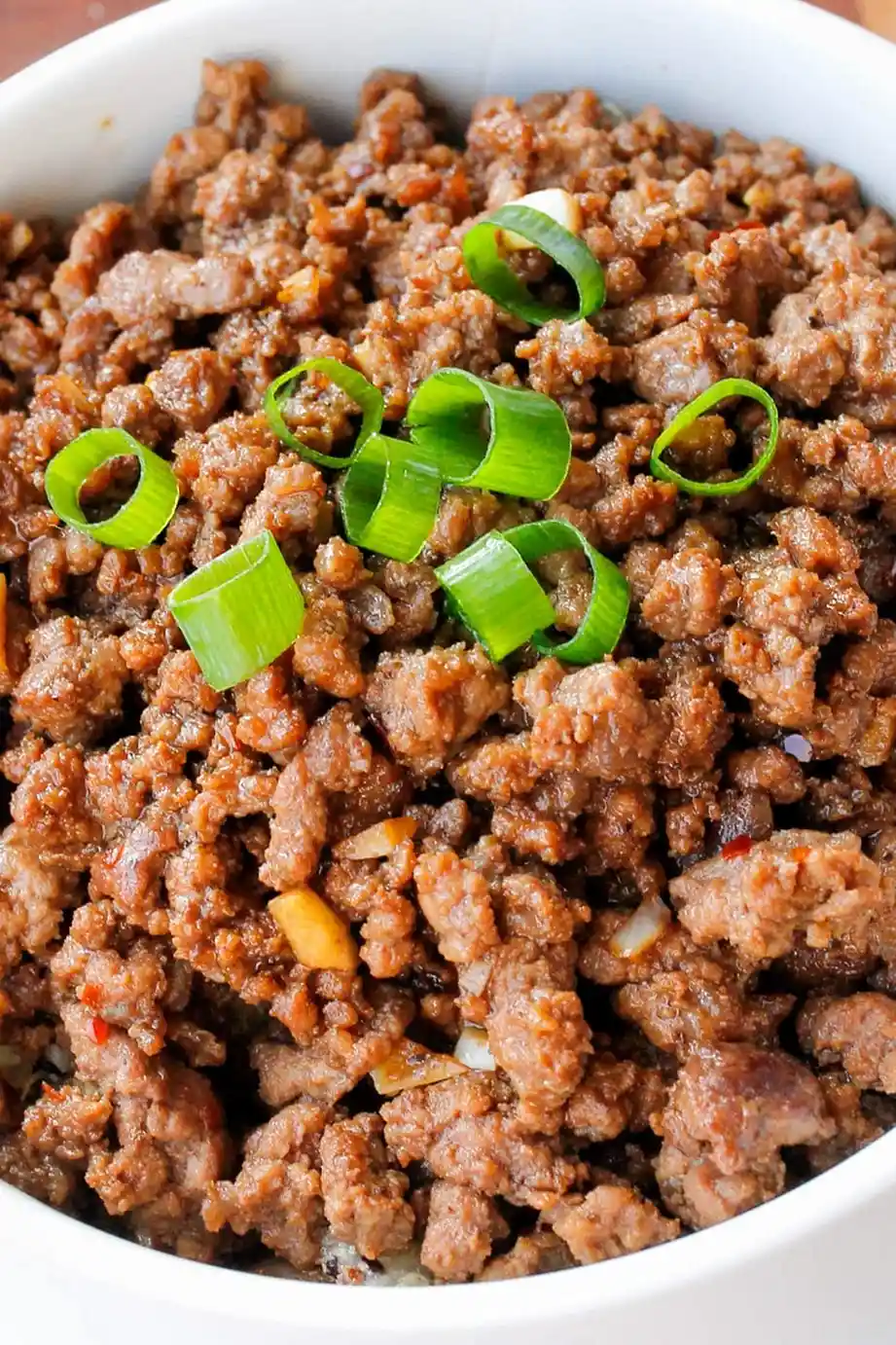
List of ingredients
- 1 cup quinoa, dry but rinsed – provides a nutty base and complete protein.
- 1 tablespoon olive oil – used for searing the meat.
- 1/4 teaspoon fresh ground ginger – adds a sharp, aromatic heat.
- 3 cloves garlic, minced – provides a savory foundation.
- 1 pound lean ground beef – the primary protein source.
- 1/4 cup brown sugar or coconut palm sugar – balances the salty soy sauce.
- 1/4 cup low sodium soy sauce – provides the core savory flavor.
- 1 tablespoon sesame oil – adds a toasted, nutty aroma.
- 1/2 teaspoon crushed red pepper flakes, or more if you like it spicy – adds optional heat.
- salt and pepper, to taste – basic seasoning for the meat.
- 2 green onions, thinly sliced – used as a fresh garnish.
step-by-step instructions
- Cook the Quinoa: Place the quinoa in a small stock pot and cover with 2 cups water or chicken stock. Bring to a full boil, then reduce heat to a simmer, cover, and let cook for 15 minutes.
- Brown the Beef: While the quinoa cooks, heat the olive oil in a large pan over medium-high heat. Add the ground beef and brown completely, then drain most of the fat.
- Sauté Aromatics: Clear a small space in the center of the pan. Add the minced garlic and ground ginger, cooking for about 1 minute until they become fragrant.
- Prepare the Sauce: In a small bowl, whisk together the brown sugar (or coconut palm sugar), soy sauce, sesame oil, red pepper flakes, salt, and pepper.
- Simmer the Meat: Pour the soy sauce mixture over the browned ground beef. Let it cook for 3-5 minutes to allow the flavors to integrate and the sauce to thicken slightly.
- Assemble the Bowls: Once the quinoa is finished, remove from heat and fluff with a fork. Scoop the quinoa into bowls, top with the Korean beef, and garnish with sliced green onions.
Optimal Quinoa Preparation
Rinsing the Grains
Always rinse dry quinoa in a fine-mesh strainer under cold water before cooking. This process removes saponins, which are naturally occurring compounds that can leave a bitter taste on the tongue.
Water to Grain Ratio
Maintain a strict 2:1 ratio of liquid to quinoa for standard stovetop cooking. Using too much water results in mushy grains, while too little can leave the quinoa crunchy and undercooked.
Using Chicken Stock for Flavor
Replace water with low-sodium chicken stock to infuse the grains with more depth. This simple switch adds a savory layer to the base of the bowl without requiring extra seasonings.
Toasting Quinoa Before Simmering
For a deeper nuttiness, sauté the rinsed quinoa in a teaspoon of oil for two minutes before adding liquid. This toasts the outer shell of the grain and enhances the overall aroma of the dish.
Protein Selection and Handling
Choosing the Right Ground Beef
Opt for lean ground beef, such as 90% lean or 93% lean, to reduce excess grease. Leaner meat ensures the sauce clings to the beef rather than sliding off into a pool of oil.
Substituting Ground Turkey
Ground turkey is an effective alternative for those seeking a leaner protein option. Since turkey has less natural fat, you may need to add an extra teaspoon of olive oil to prevent sticking.
Efficient Fat Drainage
After browning the beef, tilt the pan and spoon out the excess grease or use a colander. Removing excess fat prevents the final sauce from becoming oily and improves the clean taste of the ginger and garlic.
Avoiding Overcooking the Meat
Cook the beef until it is just browned and no longer pink. Overcooking ground meat can lead to a grainy, dry texture that makes the sauce less effective at moisturizing the dish.
Sauce Customization and Balance
Adjusting the Heat Level
Control the spiciness by adjusting the amount of crushed red pepper flakes. For a milder version, omit them entirely; for more heat, add sriracha or gochujang paste during the simmering step.
Alternative Sweeteners
If you avoid refined brown sugar, honey or maple syrup serve as practical replacements. Use an equal amount, though honey may make the sauce slightly thicker and glossier.
Reducing Sodium Content
To further lower the salt, use coconut aminos instead of soy sauce. This provides a similar savory profile with significantly less sodium and a slightly sweeter finish.
Thickening the Sauce
If the sauce remains too thin, simmer the beef for an additional two minutes without a lid. This allows the water content to evaporate, concentrating the flavors and creating a glaze.
Integrating Additional Vegetables
Adding Stir-Fried Broccoli
Sauté small broccoli florets in the pan before adding the beef. This adds a crisp texture and increases the nutritional value of the bowl with minimal extra effort.
Incorporating Shredded Carrots
Mix raw shredded carrots into the cooked quinoa or sauté them with the beef. Carrots add a natural sweetness and a bright orange color that contrasts well with the beef.
Using Sliced Bell Peppers
Thinly sliced red or green bell peppers can be browned alongside the garlic and ginger. They provide a mild sweetness and a crunch that complements the soft texture of the quinoa.
Adding Fresh Spinach
Stir in a handful of fresh baby spinach during the last minute of simmering the beef. The heat from the pan will wilt the spinach quickly without overcooking it.
Serving and Pairing Suggestions
Fresh Topping Ideas
Enhance the presentation and taste with toasted sesame seeds or a drizzle of sriracha mayo. These additions provide a professional finish and extra layers of flavor.
Pairing with Pickled Vegetables
Serve the bowls with a side of kimchi or quick-pickled cucumbers. The acidity of fermented vegetables cuts through the richness of the beef and the sweetness of the sauce.
Low Carb Modifications
Replace the quinoa with cauliflower rice or serve the beef inside large romaine lettuce leaves. This maintains the Korean flavor profile while significantly reducing the carbohydrate count.
Balancing with a Side Salad
Pair the beef bowl with a simple side of steamed bok choy or a shredded cabbage slaw. A vinegar-based dressing for the salad balances the savory notes of the main dish.
Storage and Preservation
Refrigerator Storage Guidelines
Store leftovers in airtight glass or plastic containers in the refrigerator for up to four days. Keep the beef and quinoa in the same container for convenience, as the flavors will continue to meld.
Freezing for Long-Term Use
Freeze the cooked beef and quinoa separately for the best quality. Store them in freezer-safe bags and use within three months to avoid freezer burn.
Preventing Quinoa Dryness
When storing quinoa, add a tablespoon of water or broth to the container. This prevents the grains from drying out and becoming hard during the refrigeration process.
Maintaining Garnish Freshness
Store sliced green onions separately in a small container or bag. Adding fresh onions after reheating prevents them from becoming limp and flavorless.
Effective Reheating Methods
Microwave Reheating
Heat the bowl in the microwave for 1-2 minutes, stirring halfway through. Adding a splash of water helps steam the quinoa and loosens the beef sauce.
Stovetop Reheating
Place the beef and quinoa in a skillet over medium heat with a small amount of water. Cover with a lid for two minutes to ensure the center is heated through evenly.
Avoiding Texture Loss
Avoid reheating on high heat for extended periods, which can dry out the meat. Use medium heat and stop as soon as the food is steaming.
Meal Prep Strategies
Batch Cooking Quinoa
Cook a large pot of quinoa at the start of the week to save time on individual meals. Quinoa stores well and can be used in other recipes, such as salads or breakfast bowls.
Pre-Mixing the Sauce
Whisk the soy sauce, sugar, and sesame oil together in a jar and store it in the fridge. This allows you to simply pour the measured sauce into the pan during the cooking process.
Layering for Work Lunches
Place the quinoa at the bottom of the container and the beef on top. This prevents the quinoa from absorbing all the sauce immediately, keeping the textures distinct until lunchtime.
Portioning for Caloric Control
Use a kitchen scale to divide the beef and quinoa evenly across five containers. This ensures consistent nutrition and portion sizes for the entire work week.
Common Troubleshooting
Fixing Mushy Quinoa
If the quinoa becomes too soft, reduce the cooking time by one minute next time or use slightly less water. To fix a current batch, spread it on a baking sheet for a few minutes to air dry.
Preventing Dry Beef
If the beef feels dry, add an extra tablespoon of beef broth or water during the simmering stage. This re-hydrates the meat and emulsifies the sauce.
Correcting Overly Salty Sauce
If the soy sauce makes the dish too salty, add a small amount of unsweetened applesauce or extra brown sugar. A squeeze of fresh lime juice can also neutralize the saltiness.
Handling Burnt Garlic
If the garlic burns, it will taste bitter and ruin the sauce. Always ensure the pan is not smoking hot when adding garlic, and keep it moving constantly for that one minute of cooking.
Frequently Asked Questions
Can I use white rice instead of quinoa?
Yes, white or brown rice can be used as a substitute. Follow the specific cooking instructions for the type of rice you choose to ensure the correct texture.
Is quinoa gluten-free?
Quinoa is naturally gluten-free. However, ensure your soy sauce is labeled gluten-free or use tamari to maintain a gluten-free meal.
How long does the cooked beef stay fresh?
The cooked Korean beef stays fresh in the refrigerator for up to four days when stored in an airtight container.
Can I use ground chicken instead of beef?
Ground chicken works well as a substitute. It is leaner than beef, so you may want to increase the sesame oil slightly for added richness.
What is the best way to rinse quinoa?
Use a fine-mesh strainer and run cold water over the grains while rubbing them with your hand. This effectively removes the bitter saponin coating.
Print
15-Minute Korean Beef and Quinoa Bowls
- Total Time: 20 minutes
- Yield: 4 servings 1x
- Diet: General
Description
This 15-Minute Quinoa and Korean Beef Bowl is the perfect quick, easy and healthy dinner recipe that also makes great leftovers.
Ingredients
- 1 cup quinoa, dry but rinsed
- 1 tablespoon olive oil
- 1/4 teaspoon fresh ground ginger
- 3 cloves garlic, minced
- 1 pound lean ground beef
- 1/4 cup brown sugar or coconut palm sugar
- 1/4 cup low sodium soy sauce
- 1 tablespoon sesame oil
- 1/2 teaspoon crushed red pepper flakes
- salt and pepper, to taste
- 2 green onions, thinly sliced
Instructions
- Step 1: Place the quinoa in a small stock pot and cover with 2 cups water or chicken stock. Bring to a full boil, then reduce heat to a simmer, cover, and let cook for 15 minutes.
- Step 2: While the quinoa cooks, heat the oil in a large pan. Add the ground beef and brown completely. Drain most of the fat. Clear room in the pan to cook the garlic and ginger for about 1 minute or until fragrant.
- Step 3: In a small bowl, combine brown sugar, soy sauce, sesame oil, red pepper flakes, salt and pepper.
- Step 4: Add the soy sauce mixture to the ground beef and let cook for 3-5 minutes to allow the flavors to set.
- Step 5: Once the quinoa is done, take off the heat and fluff with a fork. Serve beef over quinoa, top with green onion.
Notes
Ground turkey can be used as a substitute for beef. Brown rice or lettuce can be used as a substitute for quinoa.
- Prep Time: 5 minutes
- Cook Time: 15 minutes
- Category: Dinner
- Method: Stovetop
- Cuisine: Korean-inspired
Nutrition
- Serving Size: 1 bowl
- Calories: 480 kcal
- Sugar: 15 g
- Sodium: 820 mg
- Fat: 18 g
- Saturated Fat: 6 g
- Unsaturated Fat: 12 g
- Trans Fat: 0 g
- Carbohydrates: 32 g
- Fiber: 4 g
- Protein: 35 g
- Cholesterol: 70 mg