
This quick meal combines savory ground beef with a sweet and salty glaze served over fluffy Jasmine rice. It is a perfect 30-minute dinner option for busy weeknights that provides a burst of Asian-inspired flavor.
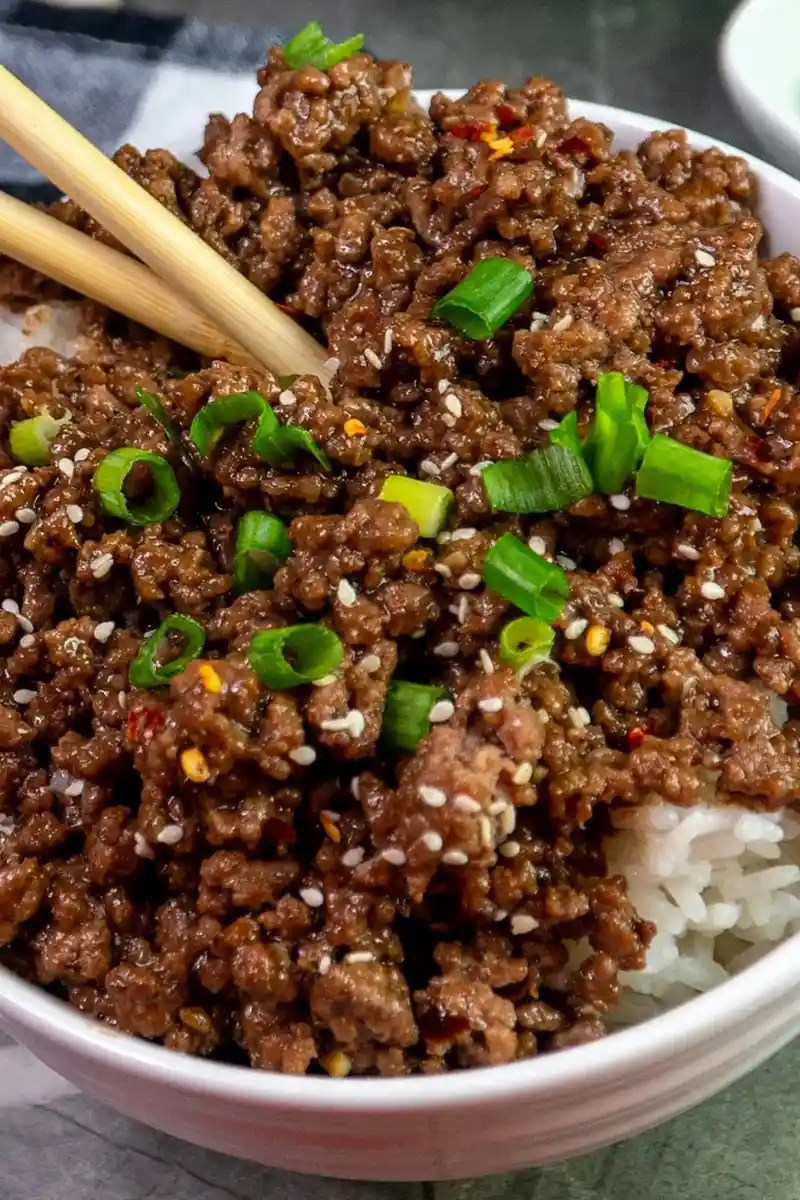
List of ingredients
- 1½ lbs lean ground beef
- 1½ tbsp sesame seed oil – adds a nutty aroma
- 4 cloves garlic (minced) – for sharp flavor
- ¼ cup water – thins the sauce
- ½ cup brown sugar – provides sweetness
- ¼ cup lite soy sauce – adds salty umami
- ½ tsp ground ginger – adds warmth
- ½ tsp salt – enhances flavor
- 1 tsp black pepper – for a mild kick
- ¼ tsp crushed red pepper – adds a subtle heat
- 2 tbsp corn starch – thickens the glaze
- 4 green onions (thinly sliced) – for fresh garnish
- 2 cups Jasmine rice – aromatic base
- 4 cups water – for cooking rice
- ¼ tsp salt – seasons the rice
step-by-step instructions
- Cook the Rice: In a medium pot over medium-high heat, add jasmine rice and 4 cups of water. Bring to a boil, stir in salt, then lower to a simmer and cover for about 18 minutes until water is absorbed.
- Prepare the Glaze: In a medium mixing bowl, whisk together water, brown sugar, soy sauce, ginger, salt, black pepper, crushed red pepper, and corn starch until smooth and well combined.
- Sauté Aromatics: Heat a large skillet over medium-high heat. Add sesame seed oil and minced garlic, stirring constantly for 1 minute.
- Brown the Beef: Add ground beef to the skillet and cook until completely browned, about 4-5 minutes. Remove from heat and drain off excess fat.
- Thicken the Sauce: Return the beef to the heat and stir in the soy sauce mixture. Cook and stir for 2-3 minutes until the sauce thickens and coats the meat.
- Assemble and Garnish: Serve the beef immediately over the cooked rice and garnish with sliced green onions.
Rice Preparation Techniques
Rinsing Rice for Less Stickiness
Wash the jasmine rice in a fine-mesh strainer under cold water until the water runs clear. This removes excess surface starch, which prevents the rice from becoming gummy or overly sticky. It results in distinct, fluffy grains that hold up better under the beef.
Using an Electric Rice Cooker
An electric rice cooker ensures consistent results and prevents the bottom from burning. Use the provided measuring cup for the exact water ratio required by the machine. Let the rice steam for 10 minutes after the cycle finishes before fluffing with a fork.
Substituting with Brown Rice
Brown rice is a heartier alternative but takes longer to cook, usually 40-45 minutes. Increase the water ratio to approximately 2.5 cups of water per cup of rice. Start the rice much earlier to ensure it finishes at the same time as the beef.
Preparing Cauliflower Rice
For a lower-carb option, sauté cauliflower rice in a separate pan with a small amount of oil. Cook for 5-7 minutes until tender but not mushy. Season with a pinch of salt to enhance the base flavor.
Meat Selection and Cooking
Choosing the Right Beef Lean Ratio
Use 90% lean ground beef to minimize excess grease in the final dish. If using 80/20 beef, ensure you drain the fat thoroughly after browning. Too much fat will prevent the soy-based glaze from adhering properly to the meat.
Preventing Beef from Overcooking
Cook the beef over medium-high heat just until the pink color disappears. Overcooking the meat can make the ground beef grainy and tough. Constant stirring ensures an even cook across the entire pan.
Effective Fat Drainage
Tilt the skillet and use a spoon or a paper towel to remove excess grease before adding the sauce. This ensures the final glaze is glossy rather than oily. Removing fat allows the cornstarch slurry to thicken the sauce effectively.
Ground Turkey or Chicken Alternatives
Ground turkey or lean ground chicken are excellent substitutes for beef. These meats are leaner, so you may need a tiny bit more sesame oil for moisture. The flavors of the ginger and garlic complement poultry very well.
Sauce Customization
Adjusting the Sweetness Level
If the sauce is too sweet for your taste, add a teaspoon of rice vinegar or a squeeze of lime juice. The acidity balances the brown sugar and soy sauce. Start with small increments to find your preferred balance.
Adding Gochujang for Umami
Gochujang adds a fermented, spicy depth to the dish. Stir in one tablespoon of the paste when whisking the sauce ingredients together. It changes the color to a deeper red and adds a complex, savory profile.
Reducing Sodium in the Glaze
Substitute lite soy sauce with coconut aminos for a lower sodium alternative. Coconut aminos are slightly sweeter, so you may want to reduce the brown sugar by one tablespoon. This is also a great option for those avoiding soy.
Using Fresh Ginger instead of Powder
Use one teaspoon of freshly grated ginger instead of ground ginger for a brighter, more pungent taste. Fresh ginger provides a zestier profile that cuts through the richness of the beef. Grate it finely to avoid large chunks in the sauce.
Vegetable Additions
Adding Steamed Broccoli
Steam broccoli florets separately or add them to the skillet during the last 3 minutes of cooking. Broccoli absorbs the savory glaze perfectly. Ensure the broccoli remains bright green and tender-crisp.
Incorporating Shredded Carrots
Add shredded carrots to the skillet immediately after the beef is browned. Sauté them for 2 minutes before adding the sauce. Carrots add natural sweetness and a nice color contrast to the bowl.
Sautéing Snap Peas
Add snap peas at the very end of the cooking process. Stir-fry them for 1-2 minutes so they remain crisp. Their snap provides a textural contrast to the soft rice and tender beef.
Adding Sliced Bell Peppers
Dice red and green bell peppers into small pieces. Sauté them with the garlic and sesame oil before adding the beef. This softens the peppers and infuses the oil with their flavor.
Serving and Garnish Ideas
Toasted Sesame Seeds
Sprinkle toasted sesame seeds over the finished bowl for a professional appearance. Toasting them in a dry pan for 2 minutes enhances their nuttiness. They add a subtle crunch to every bite.
Fresh Cucumber Slices
Thinly slice cucumbers and toss them with a little rice vinegar and salt. Serve these on the side of the bowl to provide a cooling contrast. The crispness helps refresh the palate between savory bites.
Adding Kimchi on the Side
Serve a portion of fermented kimchi alongside the beef and rice. The sour and spicy notes of kimchi cut through the sweetness of the brown sugar glaze. Let kimchi reach room temperature before serving for maximum flavor.
Serving with Sliced Avocado
Add sliced avocado on top for a creamy texture. The healthy fats in avocado complement the salty soy sauce. Season the avocado slices with a pinch of salt and black pepper.
Storage and Reheating
Refrigeration Guidelines
Store leftovers in an airtight container in the refrigerator for up to 4 days. Keep the rice and beef in separate containers if possible to prevent the rice from absorbing all the sauce. This maintains the texture of both components.
Freezing the Beef Mixture
The cooked beef mixture freezes well for up to 3 months. Freeze the meat in portions using freezer-safe bags. Do not freeze the cooked rice, as it often becomes dry and grainy during the thawing process.
Best Microwave Reheating Method
Heat portions in the microwave using a medium power setting. Sprinkle a tablespoon of water over the rice before heating to create steam. This prevents the rice from drying out during the process.
Stovetop Reheating Tips
Place the beef mixture in a small pan over medium heat. Add a splash of water or beef broth to loosen the sauce. Heat until bubbling, then serve over freshly steamed rice.
Troubleshooting Common Issues
Fixing a Sauce That Is Too Thick
If the sauce becomes too thick or gluey, stir in one tablespoon of water at a time. Continue stirring over low heat until the desired consistency is reached. The cornstarch can thicken quickly if overcooked.
Addressing a Bland Flavor
If the dish tastes flat, add a small splash of soy sauce or a pinch of salt. A drop of sesame oil added at the end can also boost the aroma. Taste and adjust in small increments.
Preventing Rice from Burning
Ensure the pot has a tight-fitting lid to trap steam. If the rice burns on the bottom, avoid scraping the browned layer into the pot. Next time, check the water level carefully before simmering.
Handling Clumpy Ground Beef
Use a wooden spoon or spatula to break the meat into small crumbles as it browns. Do not overcrowd the pan, as this causes the meat to steam rather than sear. Cooking in batches can prevent clumping.
Frequently Asked Questions
Can I use a different oil?
Use canola or vegetable oil if sesame oil is unavailable, though you will lose the distinct nutty flavor. You can add a drop of sesame extract at the end for a similar effect.
How do I store leftovers?
Keep the cooked beef and rice in airtight containers in the refrigerator for up to 4 days. Reheat with a bit of water to restore the sauce’s glossy consistency.
Is the red pepper spicy?
The crushed red pepper flakes add a subtle warmth and depth but not intense heat. Increase the amount if you prefer a spicier dish.
Can I make this gluten-free?
Replace the soy sauce with Tamari or coconut aminos. Ensure the cornstarch used is certified gluten-free if required for your dietary needs.
Print
Korean Beef Bowls with Savory Glaze
- Total Time: 20 minutes
- Yield: 6 servings 1x
- Diet: General
Description
Looking for a way to use ground beef that is out of the norm? This Korean Inspired Ground Beef Bowl is the perfect quick-fix! It’s an easy family dinner full of flavor with garlic, ginger, sesame, and soy sauce served over a steaming bowl of rice.
Ingredients
- 1½ lbs lean ground beef
- 1½ tbsp sesame seed oil
- 4 cloves garlic (minced)
- ¼ cup water
- ½ cup brown sugar
- ¼ cup lite soy sauce
- ½ tsp ground ginger
- ½ tsp salt
- 1 tsp black pepper
- ¼ tsp crushed red pepper
- 2 tbsp corn starch
- 4 green onions (thinly sliced)
- 2 cups Jasmine rice
- 4 cups water
- ¼ tsp salt
Instructions
- Step: In a medium pot over medium-high heat, add jasmine rice and water. Bring to a boil and add in salt. Lower to a simmer and cover. Cook until the water is absorbed, about 18 minutes.
- Step: Add water, brown sugar, soy sauce, ginger, salt, black pepper, crushed red pepper, and corn starch in a medium mixing bowl. Whisk together until well combined and set aside.
- Step: While rice is cooking, heat a large skillet over medium-high heat. Once at temperature, add sesame seed oil and garlic. Cook for 1 minute, stirring constantly. Add ground beef and cook until completely browned (about 4-5 minutes); remove from heat and drain off excess fat.
- Step: Add back to heat and stir in soy sauce mixture to your skillet and continue to cook, stirring until the sauce thickens (about 2-3 minutes).
- Step: Serve immediately over rice and garnish with green onions.
Notes
You can also serve this bowl with cooked Asian noodles, cauliflower rice, or over a salad. Add vegetables like broccoli, snap peas, shredded cabbage, or carrots to make it heartier.
- Prep Time: 5 minutes
- Cook Time: 15 minutes
- Category: Dinner, Main Course
- Method: Stovetop
- Cuisine: Asian
Nutrition
- Serving Size: 1 bowl
- Calories: 699 kcal
- Sugar: 16.8 g
- Sodium: 1034 mg
- Fat: 29.9 g
- Saturated Fat: 8.4 g
- Unsaturated Fat: 21.5 g
- Trans Fat: 0 g
- Carbohydrates: 69.5 g
- Fiber: 3.1 g
- Protein: 36.7 g
- Cholesterol: 104 mg