
This zesty pasta dish combines salty, pan-seared halloumi with bright citrus notes for a satisfying vegetarian meal. It is a quick-cooking recipe that balances creamy textures with golden, crispy cheese bites.
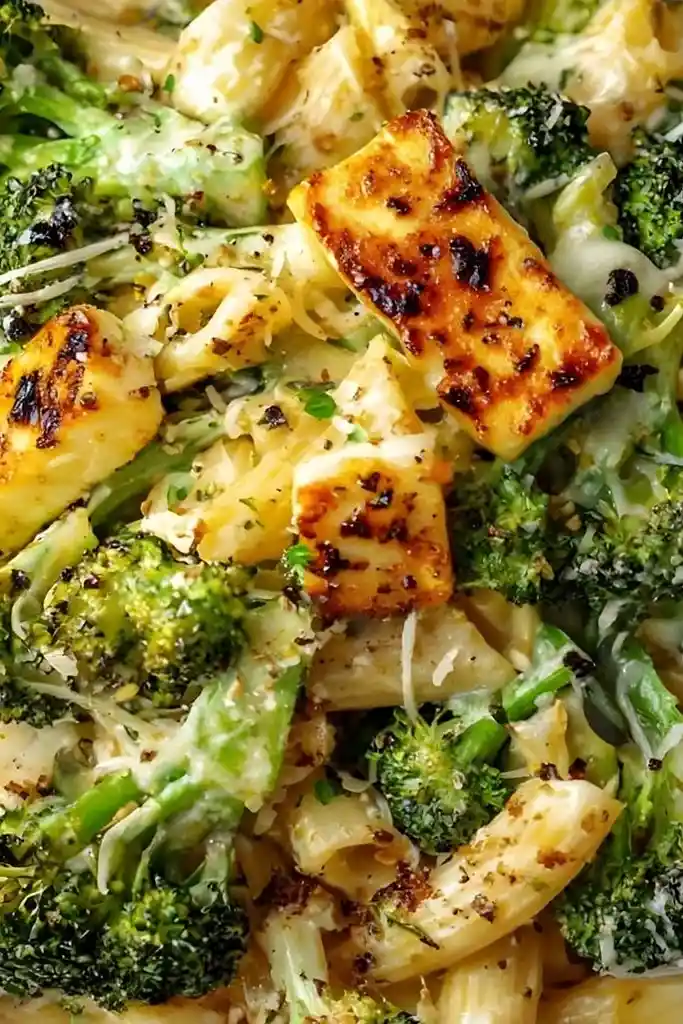
List of ingredients
- 62.5 g Pasta – use short shapes like penne or rigatoni to better capture the sauce.
- 50 g Halloumi cheese – sliced into bite-sized pieces for an even golden crust.
- 1/2 tablespoon Olive oil – high-quality extra virgin olive oil provides the best flavor.
- 1/4 Lemon – use both the zest for aroma and the juice for acidity.
- A small handful Fresh mint leaves – roughly torn to add a cooling contrast to the salty cheese.
- Salt and black pepper – added to taste, but use salt sparingly as halloumi is naturally salty.
- Grated Parmesan – optional topping for added savory depth and richness.
- Extra olive oil – a final drizzle to enhance the overall richness of the dish.
step-by-step instructions
- Boil the Pasta: Bring a large pot of salted water to a rolling boil. Cook the pasta until it reaches an al dente texture to ensure it remains firm after mixing. Drain the pasta, but reserve a small amount of the starchy cooking water to adjust the sauce consistency later.
- Sear the Halloumi: Heat half a tablespoon of olive oil in a skillet over medium heat. Arrange the halloumi slices in a single layer and fry without moving them frequently. This allows a deep golden-brown crust to form while the inside stays soft.
- Combine Ingredients: Add the drained pasta directly into the skillet with the crispy cheese. Toss the mixture gently to distribute the halloumi. Stir in the lemon zest, fresh lemon juice, and mint leaves to infuse the dish with brightness.
- Season and Finish: Season with a pinch of salt and black pepper according to your preference. Finish the dish by drizzling a small amount of extra olive oil over the top and sprinkling with grated microbial-rennet Parmesan. Serve immediately while the cheese is still warm and crisp.
Professional Cooking Tips for Success
Selecting the Optimal Pasta Shape
Short, tubular pasta like penne, rigatoni, or macaroni is recommended for this recipe. These shapes have holes and ridges that trap the lemon-infused oil and small bits of mint. This ensures every bite is consistently flavored rather than the sauce pooling at the bottom of the bowl.
Achieving the Perfect Halloumi Crust
To get the best sear, pat the halloumi slices dry with a paper towel before adding them to the pan. Moisture on the surface of the cheese creates steam, which prevents browning. Use a medium-high heat and let the cheese sit undisturbed for 2-3 minutes per side.
Balancing the Salinity
Halloumi is a brine-cured cheese and contains a significant amount of salt. Always taste the completed pasta before adding any additional salt. The lemon juice helps cut through the saltiness, but adding too much salt during the boiling or seasoning phase can overpower the other flavors.
Using Pasta Water for Texture
If the pasta seems too dry after tossing it in the pan, add one tablespoon of the reserved pasta water. The starch in the water acts as an emulsifier, helping the olive oil and lemon juice cling to the pasta. This creates a light glaze rather than a greasy coating.
Preventing Mint from Bruising
Add the fresh mint leaves at the very last moment before serving. If mint is cooked over high heat for too long, it loses its bright green color and turns bitter. Tearing the leaves by hand rather than chopping them with a knife also prevents the edges from oxidizing.
Ingredient Substitutions and Variations
Adding Leafy Greens for Nutrition
Fresh baby spinach or kale can be stirred into the pan during the final tossing stage. The residual heat from the pasta will wilt the greens perfectly without overcooking them. This adds a pop of color and increases the nutrient density of the meal.
Incorporating Fresh Vegetables
Halved cherry tomatoes or sautéed zucchini slices pair well with the salty halloumi. Sauté the vegetables in the skillet after the halloumi is finished but before adding the pasta. This keeps the vegetables crisp and prevents them from releasing too much water into the sauce.
Using Spicy Elements
For a spicy version, add a pinch of crushed red pepper flakes or a drizzle of chili oil during the final seasoning step. The heat of the pepper contrasts well with the coolness of the mint and the acidity of the lemon. This transforms the dish into a more bold, zesty meal.
Dairy-Free Cheese Alternatives
For those avoiding traditional dairy, replace halloumi with a firm, plant-based grilling cheese. Ensure the substitute can withstand high heat without melting completely. Use nutritional yeast instead of Parmesan to maintain a savory, cheesy flavor profile.
Gluten-Free Pasta Options
This recipe works well with gluten-free pasta made from brown rice or chickpeas. Be cautious with cooking times, as gluten-free pasta can go from al dente to mushy very quickly. Drain it immediately and toss with oil to prevent sticking.
Serving and Presentation Ideas
Plating for Maximum Appeal
Serve the pasta in shallow, warmed bowls to keep the halloumi crisp for longer. Arrange the pasta so that several pieces of golden halloumi are visible on top. This highlights the texture of the dish and makes it visually appetizing.
Adding Fresh Garnishes
Beyond the mint in the recipe, a few thin slices of fresh lemon placed on the rim of the bowl add a professional touch. A sprinkle of freshly cracked black pepper over the Parmesan provides a sharp visual and flavor contrast. Fresh parsley can also be used as a secondary herb garnish.
Complementary Side Dishes
A light arugula salad with a simple balsamic vinaigrette balances the richness of the fried cheese. Alternatively, roasted asparagus or steamed broccoli provides a healthy, earthy contrast to the bright citrus notes of the pasta. These sides keep the meal light yet filling.
Temperature Management for Serving
Halloumi is best enjoyed immediately after frying because it firms up as it cools. To ensure the best experience, have your bowls and utensils ready before you begin the final toss. Serving the dish immediately preserves the ‘squeaky’ texture and golden crust of the cheese.
Storage, Reheating, and Make-Ahead Advice
Refrigerator Storage Guidelines
Store any leftover pasta in an airtight container in the refrigerator for up to three days. Note that the halloumi will lose its crispness and become softer as it sits in the lemon-oil sauce. The flavors will continue to meld, making the pasta taste more intense the next day.
Best Methods for Reheating
Avoid the microwave, as it can make the pasta rubbery and the cheese overly soft. Instead, reheat the pasta in a skillet over medium heat with a teaspoon of olive oil or a splash of water. This helps restore some of the moisture and can slightly crisp the halloumi again.
Why Freezing is Not Recommended
Freezing this dish is discouraged because the structure of the halloumi changes significantly. Upon thawing, the cheese often becomes spongy or releases excess water, which ruins the texture of the pasta. Fresh preparation is highly recommended for this specific combination of ingredients.
Preparing Ingredients in Advance
You can zest the lemon and tear the mint leaves a few hours before cooking. Slice the halloumi and store it in a sealed container in the fridge. However, do not cook the pasta in advance, as it will stick together and lose its al dente quality.
Common Troubleshooting and FAQs
Why is my halloumi not browning?
This usually happens if the pan isn’t hot enough or if there is too much oil in the pan, which causes the cheese to boil rather than sear. Ensure the oil is shimmering before adding the cheese and avoid overcrowding the pan, which drops the temperature.
Can I use a different type of cheese?
While halloumi is chosen for its high melting point, you can use paneer as a substitute. Paneer is less salty, so you will need to increase the amount of salt and lemon juice to achieve the same flavor profile. Ensure you sear the paneer well to get a similar crust.
How do I prevent the pasta from sticking?
Always cook pasta in plenty of salted water and stir occasionally during the first few minutes of boiling. If you are not serving the pasta immediately after draining, toss it with a tiny amount of olive oil to create a barrier between the noodles.
What if I don’t have fresh mint?
If fresh mint is unavailable, fresh basil or flat-leaf parsley are the best alternatives. Basil provides a sweeter, peppery note, while parsley offers a cleaner, grassier taste. Avoid using dried mint, as it has a different flavor profile that may not blend well with the lemon.
Can I make this recipe for a crowd?
Yes, but avoid cooking too much halloumi at once. Sear the cheese in batches to maintain a high pan temperature and ensure every piece gets a golden crust. Mix the pasta and seasonings in a large bowl before transferring to the pan for the final toss.
Print
Crispy Halloumi Pasta With Lemon Zest
- Total Time: 25 minutes
- Yield: 1 serving 1x
- Diet: Vegetarian
Description
A bright and satisfying meal featuring golden, crispy halloumi and fresh lemon flavor, coming together quickly for a perfect busy-night dinner.
Ingredients
- 62.5 g pasta
- 50 g halloumi cheese, sliced
- ½ tablespoon olive oil
- ¼ lemon, zested and juiced
- a small handful fresh mint leaves
- salt and black pepper to taste
- grated Parmesan for serving
- extra olive oil for drizzling
Instructions
- Cook the Pasta: Bring a large pot of salted water to a boil and cook the pasta until it becomes al dente. Drain it well and keep a little pasta water aside in case the dish needs loosening.
- Crisp the Halloumi: Heat olive oil in a skillet over medium heat. Place the sliced halloumi in a single layer and cook it without moving it too much until it develops a golden-brown crust.
- Combine Everything: Add the cooked pasta directly into the pan. Toss everything together and add lemon zest, fresh lemon juice, and mint leaves. Season with salt and black pepper.
- Finish and Serve: Drizzle a bit of olive oil on top and sprinkle Parmesan if desired. Serve immediately while warm.
Notes
Use fresh halloumi for the best crispy texture and do not skip the lemon zest as it adds strong aroma. Cook pasta just until al dente to avoid overcooking. A spoon of pasta water can be added to keep the dish moist.
- Prep Time: 10 minutes
- Cook Time: 15 minutes
- Category: Main Course
- Method: Stovetop
- Cuisine: Mediterranean
Nutrition
- Serving Size: 1 serving
- Calories: 480 kcal
- Sugar: 4 g
- Sodium: 1150 mg
- Fat: 22 g
- Saturated Fat: 10 g
- Unsaturated Fat: 12 g
- Trans Fat: 0 g
- Carbohydrates: 46 g
- Fiber: 3 g
- Protein: 24 g
- Cholesterol: 45 mg