
Creating your own nutrient-rich bone broth in a slow cooker is a straightforward process that transforms simple kitchen scraps into a liquid gold base for endless meals. By utilizing a long, low-temperature simmer, you unlock deep flavors and beneficial minerals that elevate your cooking beyond anything found in commercial cartons. This method is incredibly convenient for busy households, allowing you to build a flavorful stock overnight without needing to hover over a stove.
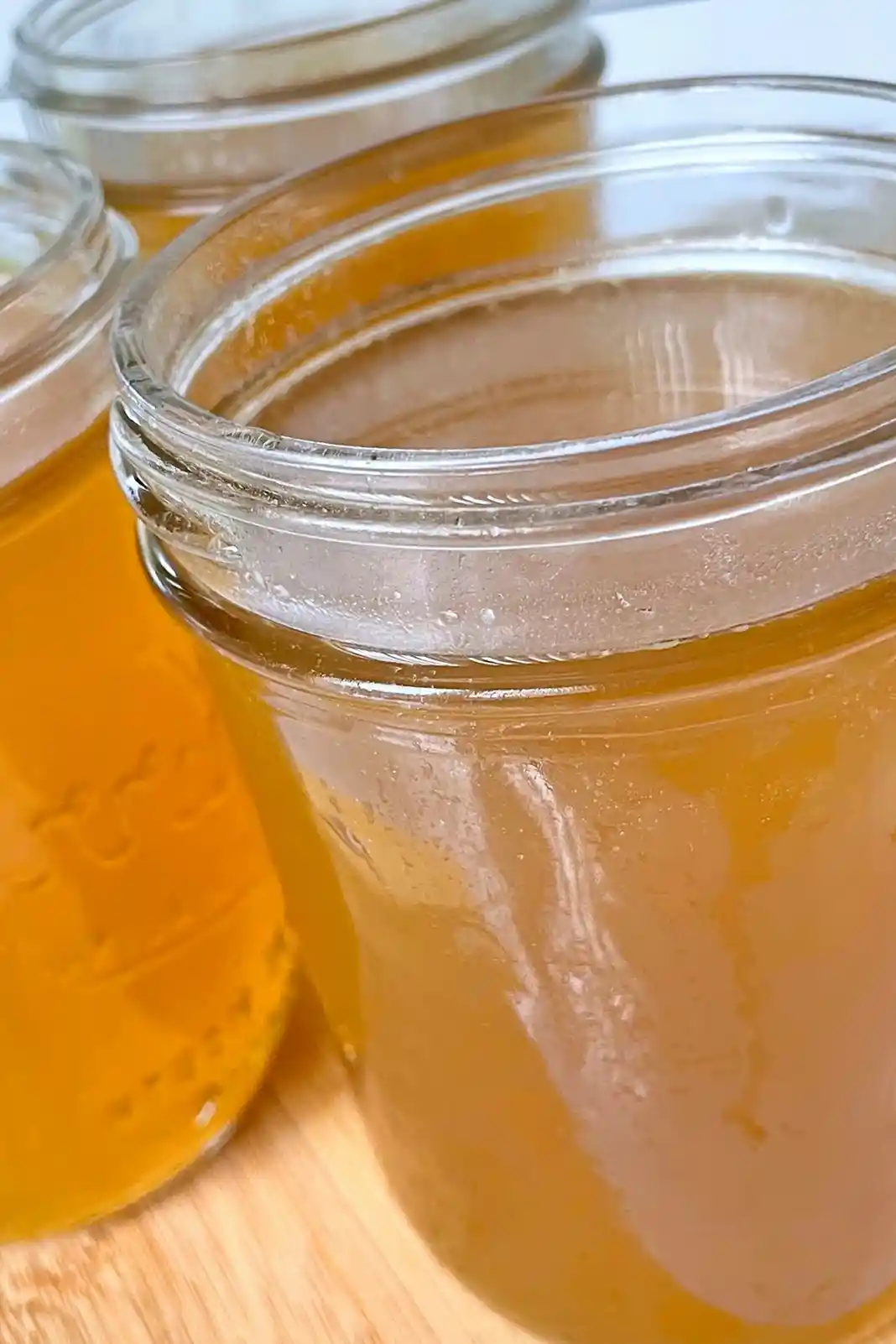
List of ingredients
- 1 chicken carcass (1-2 lbs bones)
- 2-4 C vegetable scraps
- 2 T apple cider vinegar
- 1 tsp salt
- 8-10 C water
step-by-step instructions
- Step: Place vegetables scraps and chicken carcass in slow cooker. Sprinkle with salt.
- Step: Pour in enough water to cover ingredients. Add apple cider vinegar.
- Step: Turn slow cooker on low and let simmer for a minimum of 10 hours. You can let the broth cook for up to 24 hours.
- Step: Strain the broth through a fine mesh strainer. Discard bones and cooked veggie scraps.
Refining your broth profile
Selecting the best skeletal components
The quality of your broth depends heavily on the collagen content of your chosen bones. Chicken feet, necks, and wings are the gold standard because they are packed with joints and cartilage, which turn into gelatin during the long simmer. If you use mostly breast or thigh bones, the broth will be flavorful but might lack the characteristic body and mouthfeel of a high-gelatin batch. Combining a roasted carcass with a few raw chicken feet provides the ideal balance of roasted depth and nutritional density.
The role of vegetable selection
While almost any vegetable can go into the pot, some yield better results than others. Onions, carrots, and celery remain the gold standard, but garlic cloves and leeks add a sophisticated aromatic quality. Avoid using cruciferous vegetables like broccoli, cauliflower, or Brussels sprouts, as their sulfur content becomes overwhelming and bitter when boiled for ten hours. Potatoes and other starchy vegetables should also be avoided because they release starches that turn your beautiful, clear broth into a cloudy, murky liquid that may spoil faster.
Practical management of ingredients
Gathering your scraps over time
Keep a dedicated freezer-safe container in your freezer to collect vegetable ends, onion peels, and fresh herb stems as you cook throughout the week. When your bag is full, it indicates you have enough volume to start a fresh batch of broth without needing to purchase additional produce. This practice not only saves money but also significantly reduces household waste by giving a secondary purpose to discarded vegetable parts.
Handling the acidity
Apple cider vinegar is an essential catalyst in this recipe, serving to break down the connective tissue of the bones. While you won’t taste the vinegar in the final product, it is instrumental in mineral extraction. If you find the broth has a sharp tang, verify you are not using too much vinegar, as two tablespoons is usually sufficient for a standard five to six-quart slow cooker. Ensure the vinegar is incorporated at the start of the cycle so it can work continuously throughout the long simmer.
Serving and culinary applications
Incorporating broth into daily meals
This golden liquid acts as a universal foundation for almost any savory dish requiring liquid. Use it in place of water when cooking quinoa, jasmine rice, or couscous to infuse grains with deep, meaty flavor and extra protein. When making gravies or pan sauces, a splash of this concentrated broth can add a level of complexity and richness that simple water or store-bought stock cannot match. It serves as the perfect poaching liquid for chicken breasts or fish, ensuring the meat stays moist while absorbing subtle savory notes.
Enhancing soups and stews
Rather than using water for your vegetable soups, swap it for your homemade bone broth to immediately boost the nutritional profile of the dish. Because this broth is rich in collagen and amino acids, it adds a velvety texture to creamy soups and chowders. It works exceptionally well in lentil or bean soups, where the extra body helps create a thick, satisfying consistency that holds up well against the heartiness of legumes.
Storage and maintenance strategies
Optimal cooling and storage
Once the broth is strained, cool it as quickly as possible to ensure safety. Place the bowl in an ice water bath if you are in a hurry, or divide it into smaller containers to allow heat to dissipate more rapidly. Once it reaches room temperature, refrigerate it immediately; the fat will rise to the top and solidify, creating a protective seal that keeps the broth fresh for up to five days. Always leave at least one inch of space at the top of any storage container, especially if you plan to move them to the freezer, as liquid expands significantly during the freezing process.
Understanding the gelatinous consistency
If your cooled broth turns into a semi-solid, jelly-like consistency, you have achieved the perfect level of extraction. This indicates high collagen content, which is exactly what you want for joint health and satiety. If it remains liquid even after refrigeration, don’t worry, as it still retains all the vitamins and minerals you intended to harvest. Simply use more connective-tissue-heavy bones in the next batch to increase the gelatin content.
Common questions and troubleshooting
How do I fix a broth that tastes too bland?
If your broth lacks the intensity you desire, you can reduce it by simmering it uncovered on the stovetop for an additional hour after straining. Reducing the volume concentrates the flavors significantly without needing to add more salt or additives. Alternatively, verify that you are roasting the chicken bones before adding them to the slow cooker; deep browning of the bones adds a roasted depth that light-colored boiled bones cannot provide.
Can I reuse the bones for a second batch?
You can certainly run a second cycle with the same bones, often referred to as a perpetual broth method. Keep in mind that the second extraction will be significantly lighter in flavor and color because most of the easily accessible collagen and minerals were released in the first 24-hour cycle. Use this second batch for lighter dishes like rice or mild grain bowls, and reserve the primary batch for soups and drinking.
Why is my broth cloudy?
Cloudiness is usually the result of a vigorous, rolling boil during the cooking process. Even in a slow cooker, if the temperature is set too high or the pot is overcrowded, the agitation of the liquid can emulsify fats into the broth. Keep the temperature on the lowest possible setting and avoid stirring the pot during the cooking process to keep the liquid as clear and refined as possible.
Print
Slow Cooker Chicken Bone Broth
- Total Time: 10 hours 10 minutes
- Yield: 8 servings 1x
- Diet: Gluten-Free
Description
Nutritious, comforting bone broth with rich chicken and hearty vegetable flavor. Made overnight in the slow cooker.
Ingredients
- 1 chicken carcass (1–2 lbs bones)
- 2–4 C vegetable scraps
- 2 T apple cider vinegar
- 1 tsp salt
- 8–10 C water
Instructions
- Step: Place vegetables scraps and chicken carcass in slow cooker. Sprinkle with salt.
- Step: Pour in enough water to cover ingredients. Add apple cider vinegar.
- Step: Turn slow cooker on low and let simmer for a minimum of 10 hours. You can let the broth cook for up to 24 hours.
- Step: Strain the broth through a fine mesh strainer. Discard bones and cooked veggie scraps.
Notes
The broth may become gelatinous when chilled, which indicates high collagen content. You can reuse bones for a second batch, though the result will be thinner and less flavorful.
- Prep Time: 10 minutes
- Cook Time: 10 hours
- Category: Soup
- Method: Slow Cooker
- Cuisine: American
Nutrition
- Serving Size: 1 cup
- Calories: 45 kcal
- Sugar: 1 g
- Sodium: 300 mg
- Fat: 1 g
- Saturated Fat: 0.3 g
- Unsaturated Fat: 0.5 g
- Trans Fat: 0 g
- Carbohydrates: 2 g
- Fiber: 0.5 g
- Protein: 7 g
- Cholesterol: 10 mg