
This vibrant dish combines the salty, squeaky bite of pan-seared halloumi with the bright acidity of fresh lemon and aromatic mint. It is a quick and satisfying vegetarian meal that highlights how a few high-quality pantry staples can create restaurant-quality results. Perfect for busy weeknights, this pasta comes together in under half an hour while providing a complex balance of textures and flavors.
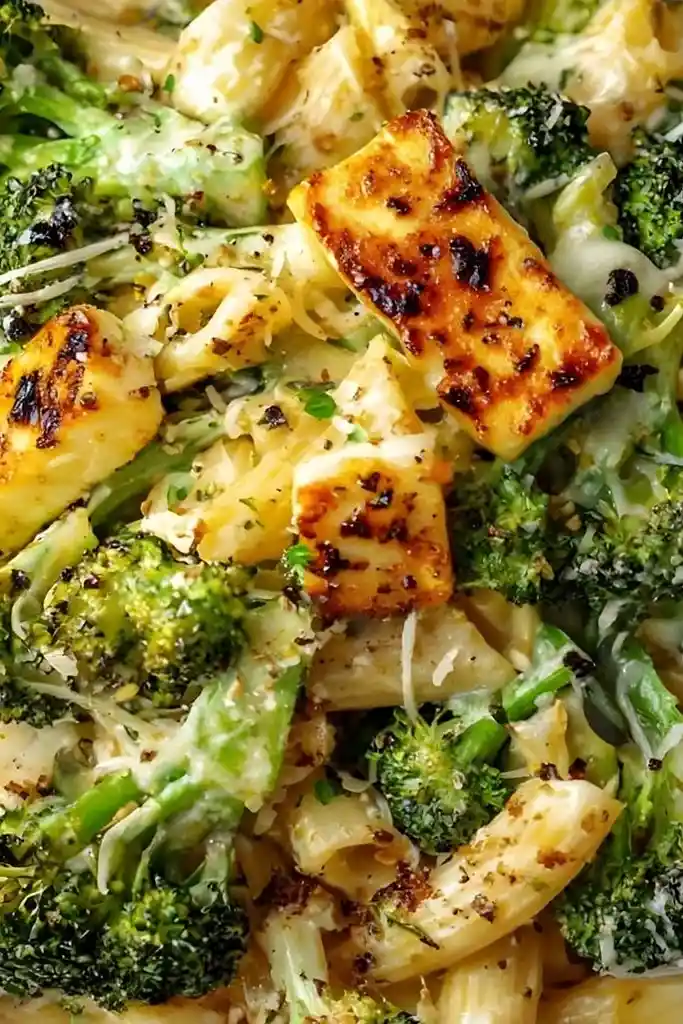
List of ingredients
- 62.5 g pasta (penne or rigatoni)
- 50 g halloumi cheese, sliced
- 1/2 tablespoon extra virgin olive oil
- 1/4 lemon, zested and juiced
- 1 small handful fresh mint leaves
- Salt and black pepper to taste
- Grated Parmesan for serving
- Extra olive oil for drizzling
step-by-step instructions
- Cook the Pasta: Bring a large pot of salted water to a boil and cook pasta until al dente; drain and reserve some pasta water.
- Crisp the Halloumi: Heat olive oil in a skillet over medium heat. Add halloumi slices in a single layer and cook until a golden-brown crust forms.
- Combine: Add the cooked pasta to the skillet with the halloumi. Toss to combine, then stir in lemon zest, lemon juice, and fresh mint leaves.
- Season: Add salt and black pepper to taste, using reserved pasta water if needed to loosen the dish.
- Serve: Drizzle with extra olive oil and sprinkle with Parmesan before serving warm.
Refining the Searing Process
Maintaining Consistent Heat for Even Browning
To achieve the signature golden crust on halloumi, ensure your skillet is adequately preheated before adding the cheese. If the pan is not hot enough, the halloumi will steam rather than crisp, which ruins the texture. Monitor the flame closely to ensure the edges brown nicely without burning the milk solids.
Preventing the Cheese from Sticking
Even though halloumi is firm, it can adhere to the pan if the coating isn’t sufficient. Use a well-seasoned cast iron or non-stick skillet to ensure the slices lift easily once the Maillard reaction has occurred. If you notice it sticking, it is usually a sign that it needs a few more seconds to form a proper crust.
Selecting the Best Pasta Varieties
Choosing Shapes That Hold Sauce
The success of this dish relies on the pasta’s ability to hold onto the lemon oil and the bits of fried halloumi. Small, hollow shapes like orecchiette or shells also work exceptionally well because they act as little cups for the zest and herbs. Avoid long, thin strands like spaghetti if possible, as they do not provide enough surface area for the crispy cheese to cling to.
Cooking Pasta to the Ideal Firmness
Always pull your pasta from the boiling water one minute earlier than the package instructions suggest. Because the pasta will finish cooking in the skillet with the warm cheese and oil, this prevents the final dish from becoming mushy. The goal is to retain a distinct chewiness that contrasts with the softness of the seared cheese.
Flavor Balancing and Enhancements
Managing Salt Content in Your Dish
Halloumi is a brined cheese, which means it carries a significant amount of salt by default. Avoid salting your pasta water more than usual and refrain from adding additional salt until the very end of the cooking process. Taste the dish after incorporating the cheese to determine if any final seasoning is actually necessary.
Maximizing the Impact of Lemon Zest
The zest is where the most concentrated lemon flavor resides, so use a microplane to get a fine, fluffy texture. Avoid the white pith of the lemon peel, as it introduces an unpleasant bitterness that can overwhelm the delicate mint notes. Grate the zest directly over the skillet just before tossing to ensure the volatile oils are released right as you serve.
Serving Suggestions
Pairing for a Balanced Meal
While this dish is satisfying on its own, it pairs beautifully with sides that offer crunch or earthiness. A simple arugula salad with a light vinaigrette cuts through the richness of the halloumi perfectly. Alternatively, roasted Mediterranean vegetables like zucchini or bell peppers complement the citrus theme of the pasta.
Creating a Welcoming Presentation
Serve the pasta in wide, shallow bowls to allow the aroma of the fresh mint and lemon to reach the diner. Placing a few whole mint leaves on top as a garnish adds a splash of vibrant green that makes the golden halloumi pop visually. Ensure the bowls are warmed before serving to keep the cheese from firming up too quickly.
Storage and Troubleshooting
Storing Leftover Pasta
If you have leftovers, place them in an airtight container as soon as the pasta has cooled to room temperature. It will keep well in the refrigerator for up to three days, though the halloumi will lose its initial crunch as it absorbs moisture from the pasta. The flavors often meld and deepen by the second day, providing a different but pleasant eating experience.
Reheating Without Drying Out
When reheating, avoid the microwave if possible, as it can make the halloumi rubbery. Instead, place the pasta in a small skillet over low heat with a teaspoon of water or oil. Stir frequently until the pasta is warmed through, which helps re-emulsify the ingredients and maintains a pleasant texture.
Troubleshooting Common Issues
Why is my pasta watery?
If the dish appears too wet after adding the pasta water, increase the heat to medium-high for thirty seconds to allow the liquid to evaporate. Alternatively, you can add a small amount of extra grated cheese to help thicken the sauce. Be careful not to overdo the pasta water in the initial stages of combining.
Can I replace the fresh mint?
While mint is traditional for this specific flavor profile, basil or flat-leaf parsley can be used if you prefer a less cooling herb. Basil adds a sweeter note, while parsley contributes a clean, vegetal flavor. Avoid dried herbs if possible, as they lack the aromatic brightness required to balance the lemon and salt.
How do I know when the halloumi is ready?
Visual cues are your best guide; look for a deep golden-brown color on both flat sides of the slice. If the halloumi starts to release significant amounts of liquid, the pan temperature is likely too low. Adjust the heat, wait for the moisture to evaporate, and let the cheese crisp up again to achieve the desired texture.
Can I make this ahead of time?
The components can be prepped, such as slicing the cheese and zesting the lemon, but the dish is best cooked fresh. Halloumi is at its absolute best when it comes straight from the pan, as the internal temperature remains soft and warm. Preparing the components ahead of time does make the final 25-minute cooking process much more efficient.
Print
Crispy Halloumi Pasta With Lemon Zest Recipe
- Total Time: 25 minutes
- Yield: 1 serving 1x
- Diet: Vegetarian
Description
I couldn’t wait to share this Crispy Halloumi Pasta with Lemon Zest after making it for the first time — it completely won me over! The combination of golden, crispy halloumi and fresh lemon flavor is simply irresistible.
Ingredients
- 62.5 g pasta (penne or rigatoni)
- 50 g halloumi cheese, sliced
- 1/2 tablespoon extra virgin olive oil
- 1/4 lemon, zested and juiced
- 1 small handful fresh mint leaves
- Salt and black pepper to taste
- Grated Parmesan for serving
- Extra olive oil for drizzling
Instructions
- Cook the Pasta: Bring a large pot of salted water to a boil and cook pasta until al dente; drain and reserve some pasta water.
- Crisp the Halloumi: Heat olive oil in a skillet over medium heat. Add halloumi slices in a single layer and cook until a golden-brown crust forms.
- Combine: Add the cooked pasta to the skillet with the halloumi. Toss to combine, then stir in lemon zest, lemon juice, and fresh mint leaves.
- Season: Add salt and black pepper to taste, using reserved pasta water if needed to loosen the dish.
- Serve: Drizzle with extra olive oil and sprinkle with Parmesan before serving warm.
Notes
Always use fresh halloumi for the best crispy texture. Do not skip the lemon zest for strong flavor. Cook the pasta al dente to avoid overcooking. Serve immediately while the cheese is freshly crispy.
- Prep Time: 10 minutes
- Cook Time: 15 minutes
- Category: Main Course
- Method: Stovetop
- Cuisine: Mediterranean inspired
Nutrition
- Serving Size: 1 serving
- Calories: 450 kcal
- Sugar: 2 g
- Sodium: 750 mg
- Fat: 22 g
- Saturated Fat: 12 g
- Unsaturated Fat: 9 g
- Trans Fat: 0 g
- Carbohydrates: 45 g
- Fiber: 2 g
- Protein: 18 g
- Cholesterol: 50 mg