
This slow cooker steak and potatoes meal is a hearty, one-pot dish designed for busy families. It utilizes a low-and-slow cooking method to ensure the beef becomes tender while the potatoes absorb savory flavors.
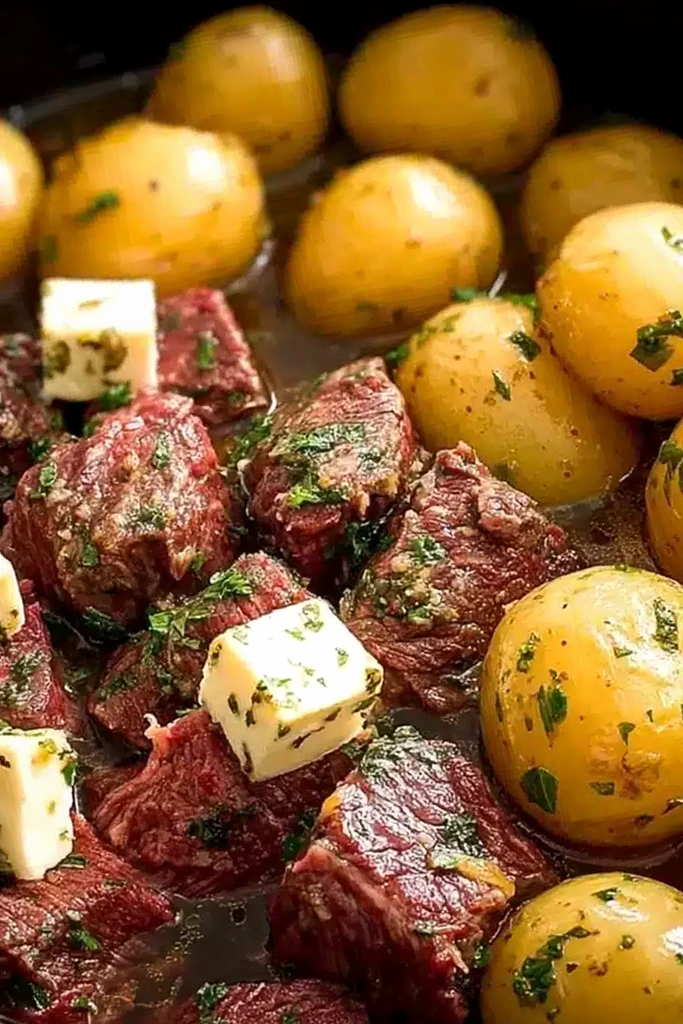
List of ingredients
- 2 pounds steak (chuck steak, sirloin, or skirt) – chuck is recommended for a shreddable texture.
- 1.5 pounds baby potatoes, halved – these maintain their shape during long cook times.
- 1 onion, sliced – provides a savory aromatic base.
- 2 cups beef broth – creates the braising liquid.
- 2 tablespoons Worcestershire sauce – adds depth and a savory tang.
- Salt and pepper to taste – for essential seasoning.
- 2 cloves garlic, minced – adds aromatic pungency.
- Fresh herbs (rosemary or thyme) – used for final garnishing.
step-by-step instructions
- Prepare the beef: Pat the steak pieces dry with paper towels and place them in a single layer at the bottom of the slow cooker.
- Layer vegetables: Scatter the halved baby potatoes and sliced onion evenly over the meat.
- Add liquid: Mix the beef broth, Worcestershire sauce, minced garlic, salt, and pepper in a bowl, then pour the mixture over the steak and potatoes.
- Cook: Cover and cook on low for 360 to 480 minutes (6 to 8 hours) or on high for 240 to 300 minutes (4 to 5 hours) until the beef is tender.
- Finish: Garnish the dish with fresh rosemary or thyme before serving.
Selecting the Right Cut of Beef
Choosing Chuck Steak for Shredding
Chuck steak is highly recommended if you prefer a fork-tender, shreddable result. This cut contains significant connective tissue and collagen, which break down into gelatin during the slow cooking process. This transition results in moist, tender ribbons of meat.
Using Sirloin for Slicing
Sirloin is a leaner option that holds its shape better than chuck. If you prefer to serve the beef as distinct, sliceable pieces, sirloin is the best choice. Note that it may not become as soft as chuck due to the lower collagen content.
Skirt Steak Considerations
Skirt steak is a flavorful option but is much thinner than chuck. It can be used in the slow cooker, though it may cook faster and provide a different texture. Ensure it is cut into manageable pieces to fit the cooker layer.
Optimizing Potato Texture
The Advantage of Baby Potatoes
Baby potatoes are ideal because their small, uniform size ensures they cook at a consistent rate. They have a waxy texture that prevents them from disintegrating during the 8-hour cooking window. This keeps the dish looking clean and professional.
Using Fingerling Potatoes
Fingerling potatoes are a great alternative to standard baby potatoes. They offer a slightly different shape and a denser, nuttier flavor. Cut them into equal lengths to ensure they soften at the same time as the rest of the ingredients.
Preparing Yukon Gold Potatoes
Yukon Golds provide a creamier, buttery texture compared to red baby potatoes. If using larger Yukon Golds, ensure they are cut into 1-inch chunks. This prevents the meat from overcooking before the potatoes are tender.
Flavor Enhancements and Variations
Adding Root Vegetable Mixes
To increase the nutritional value, add peeled carrots and parsnips cut into chunks. These vegetables should be added alongside the potatoes. They introduce a natural sweetness that balances the salty beef broth.
Incorporating Umami with Mushrooms
Adding sliced cremini or button mushrooms enhances the earthiness of the dish. For the best texture, stir them in halfway through the cooking process. This prevents the mushrooms from becoming too soft or shrinking excessively.
Substituting Onion Types
While yellow onions are standard, Vidalia onions offer a milder, sweeter taste. Red onions can be used for a sharper flavor profile and a hint of color. Sautéing the onions briefly before adding them to the pot deepens the overall flavor.
Introducing Smoky Notes
You can add a savory smoke flavor by stirring a teaspoon of smoked paprika into the beef broth. Alternatively, a small splash of liquid smoke provides a campfire-like depth. This replaces the need for smoked meats while maintaining a bold profile.
Alternative Protein Options
Boneless chicken thighs can be substituted for steak for a lighter meal. Chicken thighs are preferred over breasts because they remain juicy during long cook times. Adjust the beef broth to chicken broth when making this swap.
Professional Cooking Techniques
Searing the Beef First
While optional, searing the steak in a hot skillet for 2 minutes per side creates a Maillard reaction. This browning process develops a complex crust and deeper flavor. It adds a richness to the final sauce that cannot be achieved by slow cooking alone.
Avoiding Cooker Overcrowding
Fill the slow cooker no more than three-quarters of the way to the top. Overpacking the pot prevents heat from circulating evenly, which can lead to unevenly cooked potatoes. Proper spacing ensures everything reaches the desired internal temperature.
Monitoring Internal Temperature
For shreddable beef, aim for an internal temperature of 190 to 205 degrees Fahrenheit. If you prefer sliced sirloin, remove it when it reaches 145 degrees Fahrenheit for medium-rare. Use a digital meat thermometer for accuracy.
Minimizing Lid Lifting
Every time the lid is opened, significant heat escapes the slow cooker. This can add 15 to 30 minutes to the total cooking time. Trust the timer and only open the lid once near the end to check for doneness.
Final Flavor Adjustments
Add a small pat of butter or a squeeze of fresh lemon juice just before serving. The butter adds a glossy sheen to the sauce, while the acid from lemon brightens the heavy meat flavors. This step elevates the dish from simple to gourmet.
Prep and Time-Saving Strategies
Pre-cutting Ingredients
Prepare the steak, onions, and potatoes the night before and store them in airtight containers. Patting the meat dry immediately before adding it to the pot ensures better texture. This reduces the morning preparation time to just a few minutes.
Using Freezer Bags for Assembly
Combine the raw meat and vegetables in a gallon-sized freezer bag. Store the beef broth and seasonings in a separate jar in the fridge. On the day of cooking, simply dump both components into the slow cooker and start the heat.
Slow Cooker Liners for Easy Cleanup
Using a heat-resistant plastic liner prevents the beef broth and Worcestershire sauce from sticking to the walls. This eliminates the need for heavy scrubbing after the meal. Ensure the liner is tucked securely around the edges.
Adjusting Time for Cold Starts
If you assemble the meal and refrigerate it overnight, the ingredients will start at a much lower temperature. Add an additional 30 to 60 minutes to the cooking time. This ensures the center of the meat reaches a safe temperature.
Storage and Reheating Guide
Refrigeration Guidelines
Allow leftovers to cool to room temperature for no more than two hours before refrigerating. Store the beef and potatoes in airtight containers for up to 3 to 4 days. Keep the sauce poured over the meat to prevent it from drying out.
Freezing Instructions
Portion the meal into heavy-duty freezer bags and remove as much air as possible. Label them with the date and store for up to 3 months. This is an excellent way to prepare multiple family meals in one session.
Stovetop Reheating Method
Place the leftovers in a skillet over low heat. Add a small splash of beef broth to revive the sauce and prevent the meat from scorching. Stir occasionally until the dish is heated through.
Oven Reheating Method
Transfer the meal to a baking dish and cover it tightly with foil. Heat at 325 degrees Fahrenheit for 20 to 30 minutes. This method preserves the texture of the potatoes better than the microwave.
Microwave Reheating Tips
Use medium power and heat in short 60-second bursts. Stir between intervals to ensure the heat is distributed evenly. This prevents the steak from becoming rubbery due to overheating.
Serving and Pairing Suggestions
Fresh Green Salads
Pair the rich beef with a peppery arugula salad. Toss the greens with olive oil and fresh lemon juice to provide a sharp contrast to the savory sauce. The acidity helps cleanse the palate between bites.
Steamed Green Vegetables
Steamed green beans or roasted Brussels sprouts add a bright color and textural contrast. These vegetables provide a necessary snap that complements the softness of the slow-cooked potatoes. Lightly season them with salt and pepper.
Crusty Bread Accompaniments
Serve with warm dinner rolls or a sliced baguette. Crusty bread is essential for soaking up the remaining beef broth and Worcestershire sauce. Toast the bread with a bit of garlic butter for extra flavor.
Acidic Side Dishes
A vinegar-based coleslaw adds crunch and acidity to the plate. The tangy cabbage cuts through the richness of the chuck steak. This pairing makes the meal feel more balanced and less heavy.
Roasted Glazed Carrots
Roasted carrots with honey and thyme echo the herbal notes of the garnish. The sweetness of the honey complements the savory depth of the beef. Roast them at 400 degrees Fahrenheit until caramelized.
Common Troubleshooting and FAQ
Can I use frozen steak in the slow cooker?
It is not recommended to put frozen steak directly into the slow cooker. This can keep the meat in the danger zone for too long, increasing food safety risks. Thaw the steak in the refrigerator overnight first.
Do I need to brown the meat first?
Browning is not required for the meat to become tender, but it is recommended for flavor. Searing adds a caramelized layer that enhances the overall taste of the sauce. Skip this step only if you are very short on time.
How do I prevent the potatoes from turning to mush?
Use waxy baby potatoes and place them on top of the meat rather than the bottom. This prevents them from overcooking in the hottest part of the pot. Test them for tenderness 30 minutes before the timer ends.
Can I thicken the sauce after cooking?
Yes, you can make a cornstarch slurry by mixing 1 tablespoon of cornstarch with 2 tablespoons of cold water. Stir this into the bubbling sauce during the last 30 minutes of cooking to achieve a thicker consistency.
How do I adapt this for a crowd?
Double the ingredients but use two slow cookers instead of one large one. Overfilling a single pot can lead to uneven cooking and mushy vegetables. Keep the liquid ratios exactly the same as the original recipe.
Is it okay to cook on high instead of low?
Cooking on high for 4 to 5 hours works if you are in a hurry. However, the low setting allows the collagen to break down more gradually, resulting in a significantly more tender steak.
Can I make this recipe gluten-free?
Yes, this dish is naturally gluten-free as long as you use a certified gluten-free beef broth and Worcestershire sauce. Always check the labels on these two ingredients to ensure there are no hidden wheat additives.
What cut of steak is best for shredding?
Chuck steak is the gold standard for shredding because of its high fat and connective tissue content. Sirloin and skirt steak are better for those who prefer a sliceable, firmer texture.
Print
Slow Cooker Steak and Potatoes
- Total Time: 375 minutes
- Yield: 6 servings 1x
- Diet: Gluten-Free
Description
A comforting slow-cooked meal of tender steak and savory baby potatoes, perfect for busy weeknights.
Ingredients
- 2 pounds steak (chuck steak, sirloin, or skirt)
- 1.5 pounds baby potatoes, halved
- 1 onion, sliced
- 2 cups beef broth
- 2 tablespoons Worcestershire sauce
- Salt and pepper to taste
- 2 cloves garlic, minced
- Fresh herbs (rosemary or thyme), for garnish
Instructions
- Step: Place the steak at the bottom of the slow cooker in a single layer, patting pieces dry first.
- Step: Add the halved baby potatoes and sliced onion on top, scattering evenly.
- Step: Mix together the beef broth, Worcestershire sauce, minced garlic, salt, and pepper in a bowl, then pour over the steak and potatoes.
- Step: Cover and cook on low for 360 to 480 minutes or high for 240 to 300 minutes until the steak is tender.
- Step: Garnish with fresh herbs before serving.
Notes
Using a firmer cut like chuck for shreddable, fork-tender meat, or sirloin for a sliceable finish works well. Baby potatoes cook evenly and maintain their shape.
- Prep Time: 15 minutes
- Cook Time: 360 minutes
- Category: Main Course
- Method: Slow Cooking
- Cuisine: American
Nutrition
- Serving Size: 1 serving
- Calories: 470 kcal
- Sugar: 3 g
- Sodium: 800 mg
- Fat: 22 g
- Saturated Fat: 8 g
- Unsaturated Fat: 12 g
- Trans Fat: 0 g
- Carbohydrates: 45 g
- Fiber: 4 g
- Protein: 30 g
- Cholesterol: 90 mg